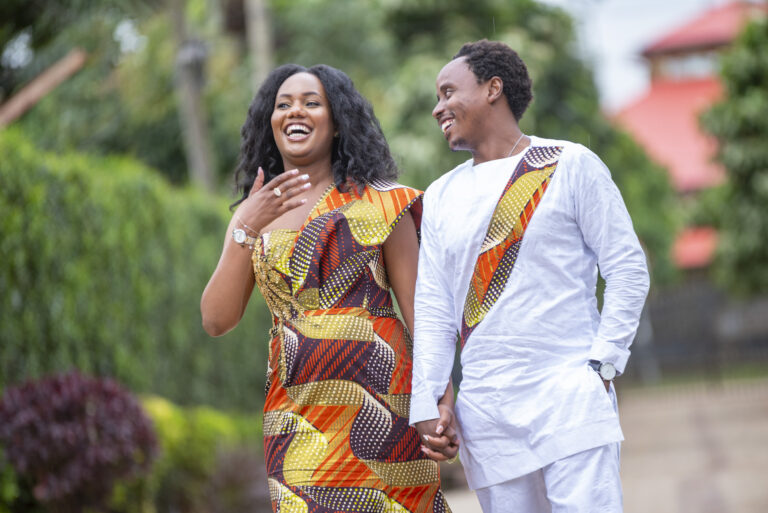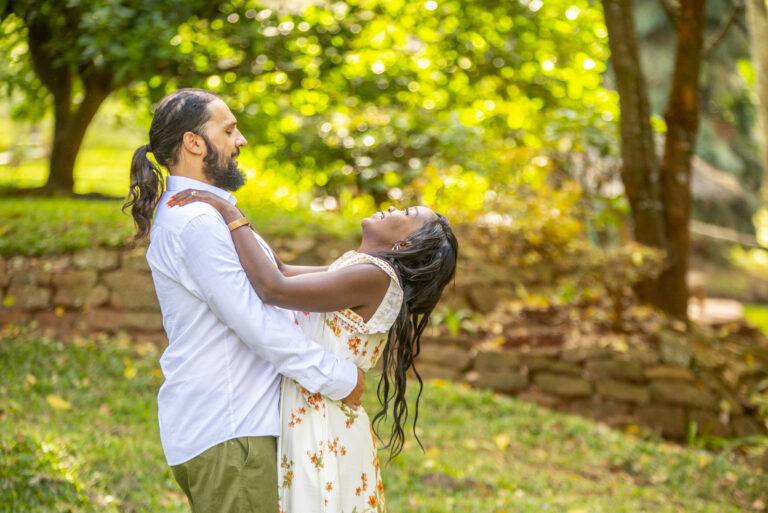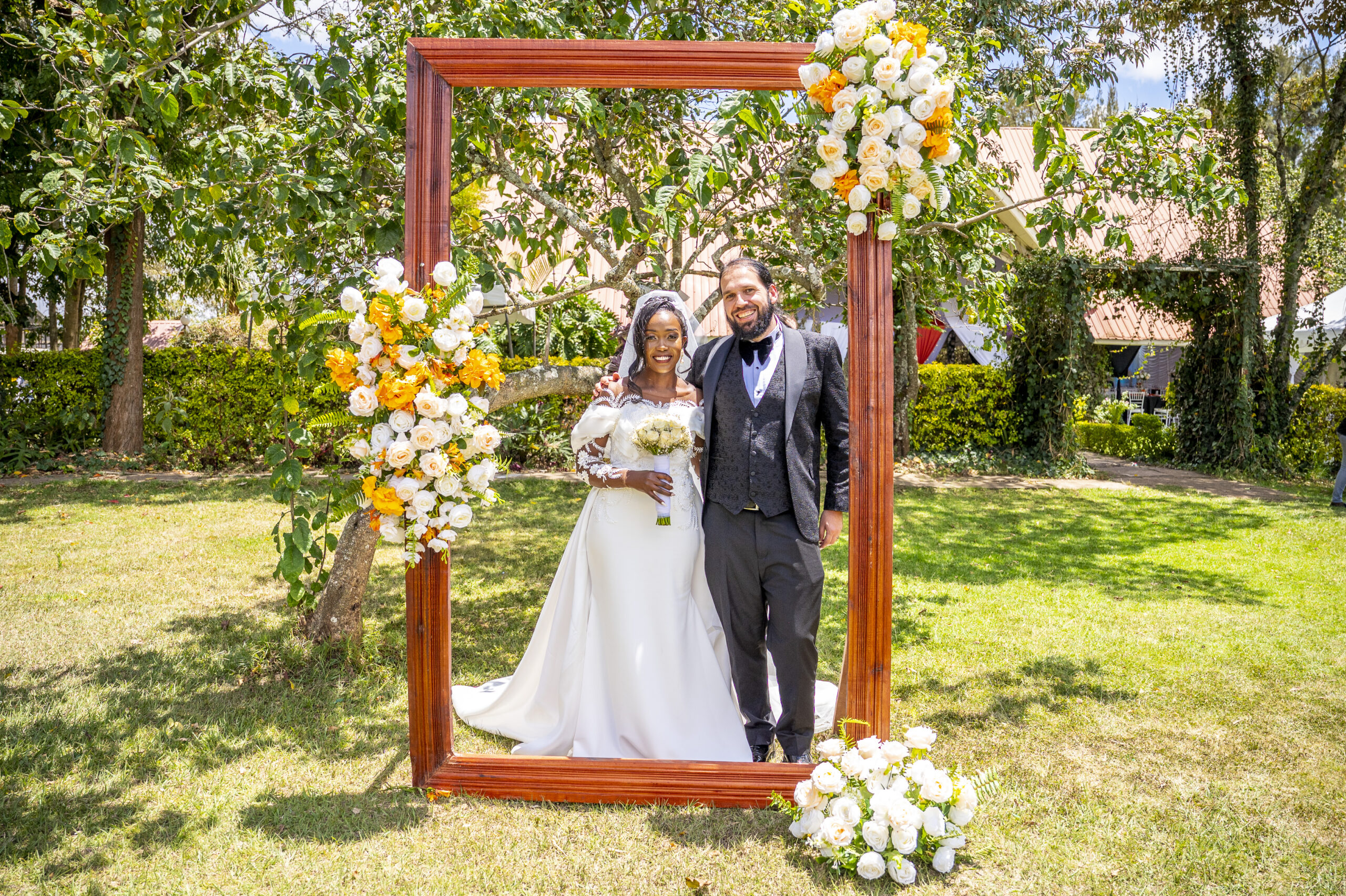
Destination wedding photography in Kenya planned beyond the venue view
Your destination is the setting; your people are the story
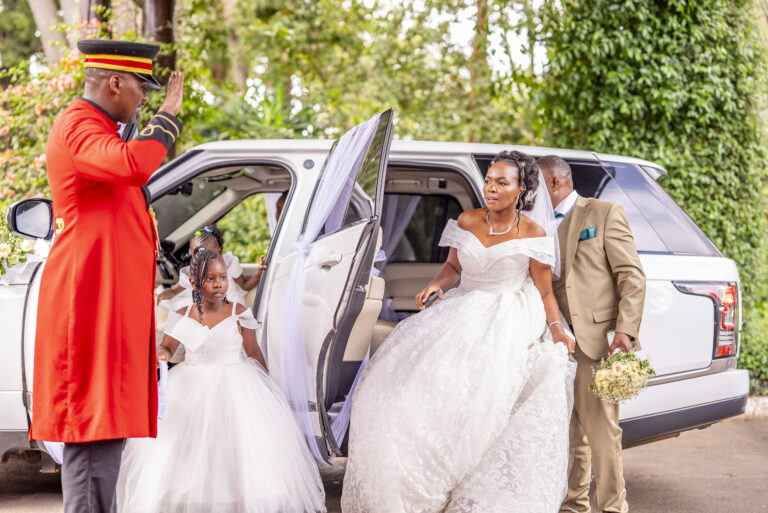
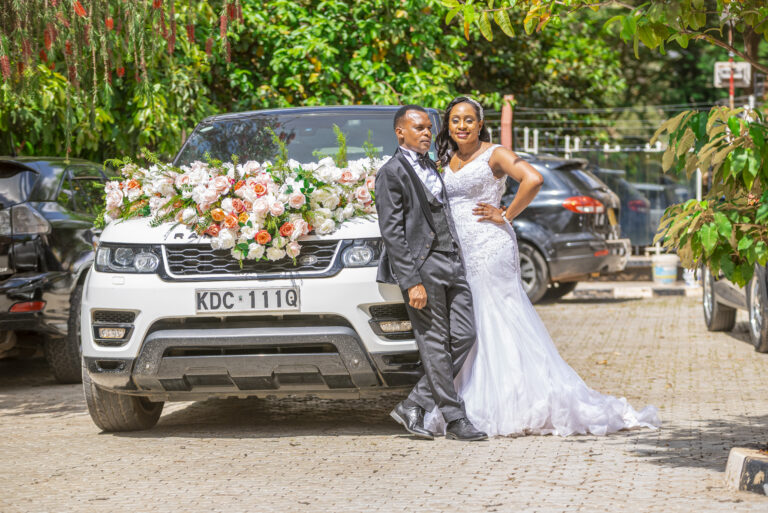
Destination wedding photography should preserve the reason everyone travelled, not only produce a few scenic portraits. The ceremony, family relationships, cultural programme, movement between locations and the character of the place all deserve a plan.
Travel increases the consequences of unclear timing. A delayed transfer, restricted venue access or unplanned sunset portrait can affect moments that cannot be repeated. Book from a written itinerary, name the decision-makers and give photography a realistic place within the wider wedding logistics.
Shammah Media provides wedding photography from Nairobi for confirmed celebrations across Kenya. Travel, accommodation, access and deliverables are assessed for the actual destination and stated in the quotation.
Send us your date, destination and programme.
Define what “destination wedding” means for your celebration
One couple may hold a single ceremony at a lodge outside Nairobi. Another may plan a welcome event, traditional ceremony, church or civil service, portraits and reception across several days. The phrase alone does not define coverage.
Give the photographer:
Separate essential moments from optional experiences. If weather or transport removes the scenic portrait window, the essential ceremony and family story should still be protected.
- Every event date and exact location
- Guest arrival and departure pattern
- Ceremony type and cultural or religious requirements
- Preparation locations for each partner
- Travel time between venues
- Formal portrait priorities
- Sunset or landscape hopes
- Reception programme and finish time
- Activities before or after the wedding
- Photography, video, aerial and product priorities
Build a travel-aware photography timeline
1. Start with fixed ceremony times
Confirm the ceremony, venue access and any time-controlled ritual. Work outward to preparation, portraits and reception rather than fitting the ceremony into a photography template.
2. Use realistic transfer times
Map the actual route, vehicle plan, parking, security and walking distance. Add margin for guest movement and supplier loading. Travel time is not portrait time.
3. Protect family photographs
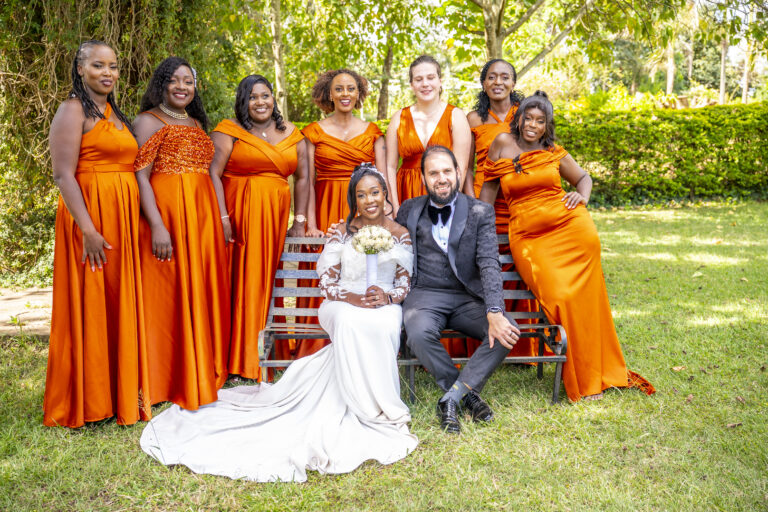
Choose when close family will be together and appoint one person from each side to gather them. A short, approved list is more reliable than trying to remember every relationship in another location.
4. Plan light without making it the ceremony’s master
Tell us the portrait views you like and let us assess the likely light. If sunset overlaps a ceremony or meal, decide which outcome takes priority. A brief portrait can be planned, but a natural event should not be stopped for an internet photograph.
5. Confirm the final covered moment
If speeches, dances or a departure happen late, state whether they fall inside coverage. Agree on the process for an overrun before the wedding day.
Give the photographer destination information early
Share venue contacts, maps, rooming details relevant to the crew, transport responsibility, access times, supplier meals where applicable, power limitations, network limitations and any security or conservation restrictions.
For a lodge, reserve, beach, farm or private estate, ask the venue what photography equipment, lights, stands or aerial operations require separate permission. Wildlife, water, dust, wind, heat and uneven ground may change movement and equipment choices.
International couples should identify the time zone and one Kenya-based contact who can resolve local logistics. Do not rely on a messaging group with dozens of opinions when a transport or access decision must be made quickly.
Respect cultural and religious priorities
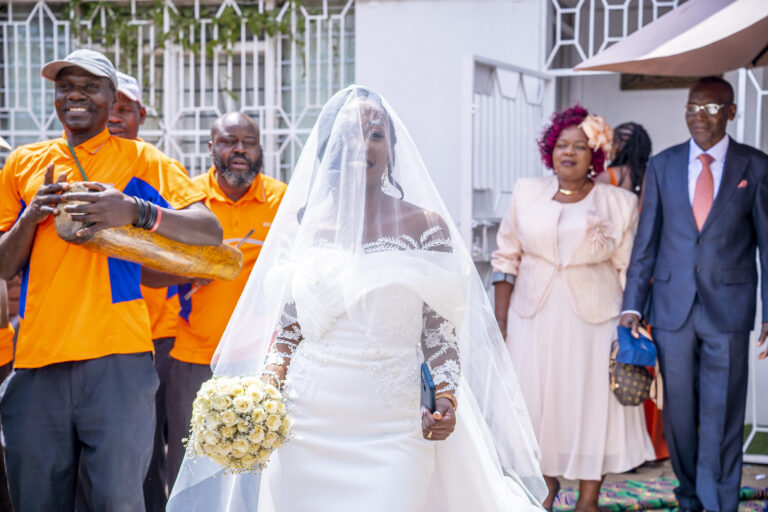
Kenyan weddings can bring several communities, faiths and family structures into one programme. Explain names, roles, restricted moments, important exchanges and the expected order. Tell us where photographers may stand and when flash, movement or close photography is inappropriate.
Provide a short family map for relationships that may not be obvious. Identify elders, witnesses, officiants and anyone whose participation should be handled discreetly. A coordinator or trusted relative can warn the photography team before a fast or private ritual begins.
Do not reduce a cultural ceremony to décor. Photographs should preserve the people, actions and meaning that the couple has authorised, while respecting moments that should remain unrecorded.
Choose portraits that belong to the place
A destination can give you landscape, architecture, weather and local materials that would not exist in a city session. Select one or two portrait settings that add meaning without pulling you away from guests for a long period.
Visit or share current venue photographs rather than relying only on old promotional images. Confirm walking time, footwear, privacy, public access and whether the location changes at high tide, in rain or during another event.
Landscape portraits still need emotional variety. Ask for a coherent sequence—arrival in the setting, interaction, close portraits and a wide environmental frame—rather than repeating one distant view.
Prepare for weather without predicting it
No photographer can guarantee a clear sky, sunset or dry ceremony. A destination plan should identify usable covered areas, umbrellas or movement routes, the person who makes weather decisions and the latest time the schedule can change.
Clouds can produce soft portraits; rain can alter access; wind can affect sound, clothing and aerial feasibility. Choose the comfort and safety of people over a specific visual. Editing cannot turn every weather condition into a different season without becoming an artificial reconstruction.
If a portrait location is essential, consider a separate pre-wedding or next-day session. That must be quoted and scheduled; it is not an automatic backup to wedding-day coverage.
Coordinate photography and wedding videography
If you want photographs and a film, choose a plan that lets both teams share the programme, sound areas and movement routes. Wedding videography needs clear access to vows, speeches and natural audio, while still photography may need a different angle at the same moment.
List every expected output. A highlight film, complete ceremony recording, full speeches, vertical social clip and raw footage are different deliverables. The photographers and videographers should know who leads a portrait sequence and how each team gets clean material.
One coordinated brief reduces duplicate requests to the couple and helps prevent a camera or light from blocking another important angle.
Treat drone images as conditional, not included scenery
An aerial view may establish a venue, coastline, landscape or gathering when the operation can be approved and completed safely. It is not guaranteed by the location or the package name.
Kenyan UAS operations are regulated. Exact airspace, site, permissions, people, roads, privacy, operating arrangement, authorization and weather affect feasibility. Request drone photography early and provide coordinates. Aerial work should never delay the ceremony or direct a crowd into an unsuitable position.
Confirm destination deliverables and safekeeping
Your quotation should state coverage dates and hours, team, travel, edited selection, delivery route, turnaround, usage, privacy and physical products. Ask how files are handled after the celebration and who receives the gallery.
For a wedding photobook , decide whether design begins after the complete gallery and how family members contribute selections without creating conflicting instructions. A destination book can open with context, then move through preparation, ceremony, portraits, family and reception.
Keep your own backed-up copy after delivery. Social previews are not the full archive, and messaging-app copies are not suitable masters for large prints.
What affects the quotation?
Pricing reflects dates, coverage hours, team, destination, transport, accommodation, venue access, schedule complexity, equipment, photography and video coordination, editing, file versions and products. Travel days and multi-day events must be identified even when no ceremony occurs during the transfer.
Share your budget range and must-have events. We can recommend where one continuous team, split coverage or a more focused collection gives the best use of resources.
Prepare a compact destination handover
Give the lead photographer one current document or message containing:
Update the lead directly when something changes. A schedule distributed through many informal groups can leave different suppliers following different versions. The photographer does not need every wedding-planning detail; the handover should make people, places, movement and non-repeatable moments unmistakable.
If a language other than English will dominate the programme, identify someone who can quietly warn the team before key moments and provide correct spellings for titles or captions.
For guests arriving from abroad, include any portrait or family obligation that must happen before their departure. Travel fatigue and different arrival times can make a large welcome-event shot list unrealistic. Protect the wedding’s central relationships first, then add destination activities only when the itinerary genuinely supports them.
- Final programme and addresses
- Couple, planner and venue contacts
- Driver and transfer responsibilities
- Preparation-room numbers when confirmed
- Family portrait list and family helpers
- Cultural or religious boundaries
- Supplier contacts relevant to timing
- Weather decision-maker and covered alternative
- Last required moment and approval for extra time
- Privacy and public-sharing choices
Frequently asked questions
How early should we enquire?
Enquire when the date and broad destination are credible. Travel and venue logistics need more planning than a single local appointment, and availability is only confirmed in writing.
Can Shammah Media travel outside Nairobi?
Yes, suitable assignments across Kenya can be assessed. Travel, accommodation and local logistics are quoted for the exact destination.
Do we need a local coordinator?
A venue, planner or trusted local contact is extremely useful for access, transport and last-minute decisions, especially when the couple is arranging the wedding from abroad.
Can you photograph several wedding events?
Yes. List each date, programme, location and required output so the scope covers the complete celebration rather than assuming “full wedding” means several days.
Is drone photography included?
Only when separately listed and operationally confirmed. Current regulatory, site, privacy, weather and safety conditions determine whether a flight can proceed.
What if it rains?
We use the agreed covered options or adapt the portrait plan. The organiser decides schedule changes, and safety and guest welfare take priority over a particular image.
Plan your destination wedding photography
Send the date or dates, exact destination, venues, ceremony type, programme, guest count, travel plan, portrait priorities, video needs and privacy choices. Shammah Media will turn the itinerary into a clear photography scope.
Request your destination wedding plan.