
Conference photography in Kenya that works as hard as your event
Give every important part of the programme a visual record
A successful conference is more than a speaker at a podium. It is the exchange between panellists, questions from delegates, workshop activity, partner presence, new connections and the atmosphere around the programme. Your photography should bring those elements together in a library that remains useful after the venue closes.
Shammah Media provides conference photography in Kenya for corporate meetings, professional forums, seminars, summits, workshops and multi-day programmes. We plan coverage around the agenda, rooms, speakers, priority delegates, sponsors and communication deadlines.
The finished photographs can support reports, websites, press releases, social updates, partner communication, speaker sharing and future-event promotion. By agreeing on those uses before the conference, we can photograph with purpose instead of returning an attractive but incomplete gallery. You can also compare this specialised coverage with our wider photography services.
Conference moments we can cover

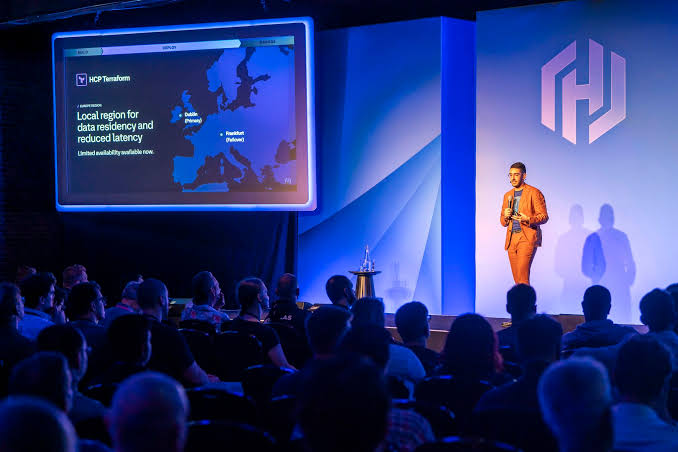
Opening and plenary sessions
Preserve welcomes, keynote addresses, official guests, panels and ceremonial moments. We use the running order and speaker list to anticipate entrances, handovers and the most important stage interactions.

Breakout sessions and workshops
Show practical participation, discussion and smaller-room learning. Where sessions run at the same time, we agree on priority rooms or assign enough photography coverage for the level of completeness you need.

Speakers and panels
Create a useful range of individual speaker images, moderator and panel relationships, presentation context and audience response. Venue positions and stage movement are planned so the photographer can work without distracting from the session.
Delegates and networking
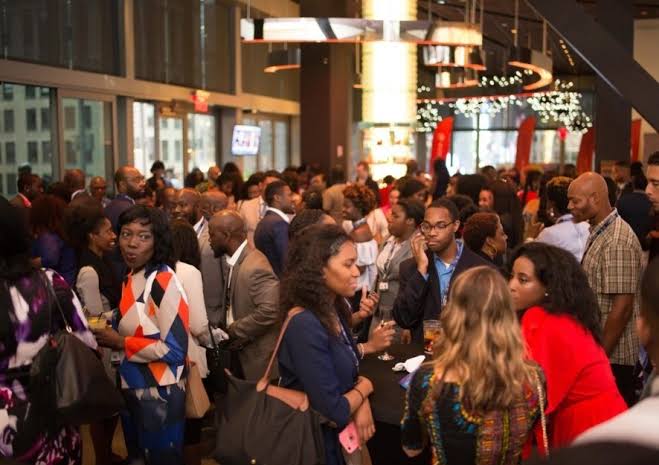
Capture registration, questions, workshops, conversations, exhibitions and informal exchange. These photographs help your library communicate participation rather than looking like a sequence of podium images.

Sponsors, partners and exhibitors
Document agreed branding, exhibition spaces, speaking opportunities, activations and partner representatives. We translate contractual or reporting priorities into specific photographs that show real, visible activity.
Awards and formal groups
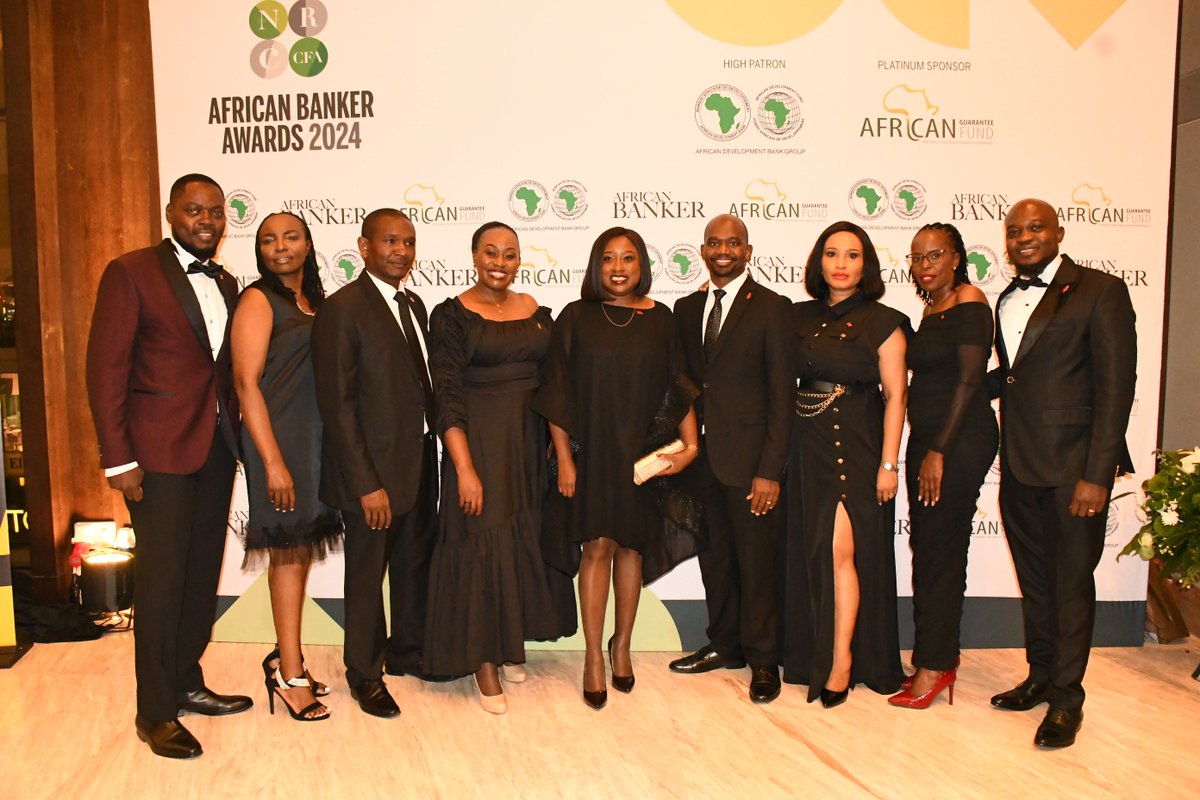
Plan recipient photographs, presentations, leadership groups, country delegations or partner teams with a named coordinator and a suitable space. Formal groups work best when they have an allocated place in the agenda.
A useful conference library has range and context
Your communications team may need a keynote image within an hour. The final report may need evidence of workshops, representation and partner participation. Speakers may want strong photographs of themselves, while the next event campaign needs wider images that convey attendance and energy.
We build these needs into the coverage map. Stage photographs establish who led the programme. Audience and workshop images show participation. Venue and branding details give context. Networking photographs reveal connection, while carefully planned groups record the people and institutions behind the event.
Photography can document visible activity, but it does not prove outcomes that cannot be seen. A sponsor logo in a frame records placement, not audience reach. A busy workshop image shows participation at that moment, not the result of the programme. Your reporting team remains responsible for the claims and captions surrounding the images.
How your conference photography is planned
Send the dates, venue, rooms, expected attendance, agenda and intended uses. Tell us which outputs matter most: urgent media images, a complete report library, sponsor evidence, speaker photographs or future promotion.
We identify non-repeatable moments, concurrent sessions, room transitions and people who require deliberate coverage. This reveals where one photographer can move effectively and where additional coverage or a clear priority choice is needed.
Provide checked names, titles, organisations and session details through one controlled source. Nominate someone who can identify important delegates or late substitutions that are not obvious from the programme.
One authorised organiser keeps the photography lead informed when a room, speaker, award or group changes. This avoids conflicting instructions across several informal message threads.
Urgent selections, daily handovers and the final edited library are defined separately. Each has a recipient, approximate quantity, transfer route and approval owner, so speed does not create confusion over names or publication.
Concurrent rooms need real coverage choices
One photographer cannot fully document two sessions happening at the same time. If your programme has parallel tracks, rank the sessions by reporting value, speaker importance, sponsor commitment and expected activity. Where every room needs a substantial record, the team size must reflect that requirement.
A quick representative visit and full-session coverage are not the same service. A brief visit may provide a room overview, a speaker image and one audience interaction. A complete record may require the photographer to remain for the speaker sequence, panel exchange, questions and workshop activity.
Room distance matters too. Security checks, lifts, crowded corridors and separate buildings can turn a short agenda break into an impossible transition. A venue map and access plan help us build a coverage route that can actually be delivered.
Identify speakers and delegates accurately
Conference photographs lose value when communications teams cannot match them to the right people or sessions. Supply a checked speaker sheet with preferred names, titles, organisations and session names. Headshots can help the photography team recognise priority speakers before they reach the stage.
Late substitutions and role changes should go through the nominated organiser. We do not guess an identity from a badge or appearance. Your team verifies factual captions before publication, especially where titles, diplomatic roles or organisational affiliations may change.
Tell us how you want image information organised after the event. Depending on the project, names and sessions may be recorded through a contact sheet, spreadsheet, gallery collection or another agreed method. The workflow must remain usable across the expected number of files and conference days.
Receive urgent photographs while the conference is live
Press, social media and daily summaries often need a small selection before the full event has ended. We can assess an urgent workflow when the priority moments, approximate file count, editing level, deadline and recipient are clear.
The recipient should be available to identify people, confirm captions and approve publication. If photographs are required after every session, selection and transfer become a significant part of the working day and must be balanced with continuous room coverage.
Urgent files can appear again in the final edited library. Agree on how permission or caption corrections are communicated after an early post, so a fast workflow still has a responsible owner.
Show sponsors and partners clearly
Sponsor agreements may require photographs of logos, booths, branded items, speaking opportunities or participant engagement. Send those requirements before the conference and identify the partner representatives whose presence matters.
Different images serve different purposes. A clean branding photograph may prove placement but feel inactive. A delegate interaction may show energy without making the sponsor identity obvious. Where both context and visibility matter, we plan both.
Partners receiving files should understand the applicable usage, captions and privacy limits. Distribution stays under the organiser’s approved communication route rather than requiring the photographer to interpret separate stakeholder agreements during the programme.
Delegate privacy and sensitive sessions
Your attendee communication should explain that photography will take place and provide a workable route for objections or restrictions. This may use notices, registration information, badge indicators or another process chosen by the organiser.
Tell us about restricted sessions, confidential slides, personal testimonies, children, patients, diplomatic guests or security-sensitive participants. If a restriction changes during a live session, the organiser must update every assigned photographer and the team handling delivered files.
Screens, badges and documents can reveal information that is not intended for public use. We follow the approved boundaries during photography, while the organiser and communications team remain responsible for confirming which delivered images are suitable for each publication channel.
Combine photography with video and livestreaming
Still photography is ideal for reports, publicity, partner updates, websites and quick sharing. When the content of complete sessions matters, add conference recording for structured programme video. When remote participants need to watch in real time, event livestreaming can extend access beyond the venue.
The teams can share the agenda, speaker list, room plan and technical contacts. Stage positions, tripods, audio access and movement are coordinated so photography, video and livestreaming do not obstruct each other. Each service still has its own staffing, dependencies and final deliverables.
Conference photography across Kenya
Shammah Media is based at Taveta Court on Tsavo Road in Nairobi and covers suitable conference venues across the city. We can also assess conferences, seminars and workshops elsewhere in Kenya. Travel, accommodation, early access or multi-day logistics are included in the quotation where applicable.
For multi-day conferences, tell us whether daily delivery, changing room allocations or evening networking events are part of the programme. These details influence staffing, working hours, file handling and the final coverage map.

What determines your conference photography quotation
The cost depends on dates, working hours, rooms, concurrent sessions, number of photographers, venue movement, sponsor requirements, urgent delivery, caption support, travel and final deliverables. A simple day rate cannot describe the difference between one plenary room and a multi-track summit with daily media handovers.
Your written quotation will define the coverage hours, team, agenda priorities, urgent and final delivery, travel and applicable terms. If you have a budget range, share it with the moments and outputs that matter most; we can recommend a realistic coverage strategy.
FAQs
That depends on simultaneous rooms, venue distance, required completeness, priority people and the urgent-delivery workload. We assess the agenda before recommending a team.
Yes, when the priority moments, approximate quantity, deadline, recipient and caption approver are defined. Urgent delivery is planned separately from the final edited library.
Yes, where the rooms, schedule and staffing support the required level of coverage. Otherwise, you can rank sessions or choose representative visits instead of full records.
The organiser provides and verifies one controlled speaker record, including late programme changes. This prevents guessed identities and conflicting captions.
Yes. The services share a coordinated venue and agenda plan while retaining separate equipment, staff, technical requirements and deliverables.
Yes. Projects across Kenya can be assessed according to venue, dates, agenda, staffing, travel and accommodation requirements.
Route sponsor requirements through the conference organiser before the event. Identify the placements, representatives, activities and reporting images that need deliberate coverage.
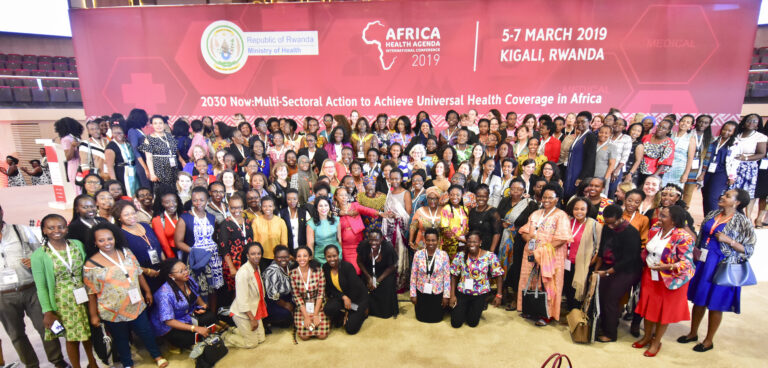
Yes. Allocate a time, suitable space, list of required combinations and a coordinator who can gather and identify the participants.
Book conference photography in Kenya
Share your dates, venue, detailed agenda, rooms, speaker and sponsor priorities, expected delegates and delivery deadlines. We will map the coverage requirements and prepare a clear quotation.