
Conference Recording That Turns Every Session Into a Usable Replay
Keep the value of your conference available after the room empties
An important keynote should not disappear when the speaker leaves the stage. A valuable panel should remain useful to members who could not attend. Training sessions, research presentations and industry discussions can continue to educate, inform and build trust long after the event—when they are recorded clearly and delivered in a format people can actually use.
Shammah Media provides conference recording services for organisations holding conferences, conventions, forums, summits, workshops and professional meetings in Nairobi and across Kenya. We record the sessions you select, capture the spoken content clearly, incorporate presentation material where agreed and deliver an organised library ready for employee learning, member access or public release.
Your recording plan is built around your programme. You choose the sessions that need a complete record, the rooms involved, the intended audience and the way each file should be delivered. We then scope the cameras, sound, presentation capture and editing needed to achieve that result.
Send us your conference programme for a recording quotation.

Choose the conference videos your audience needs
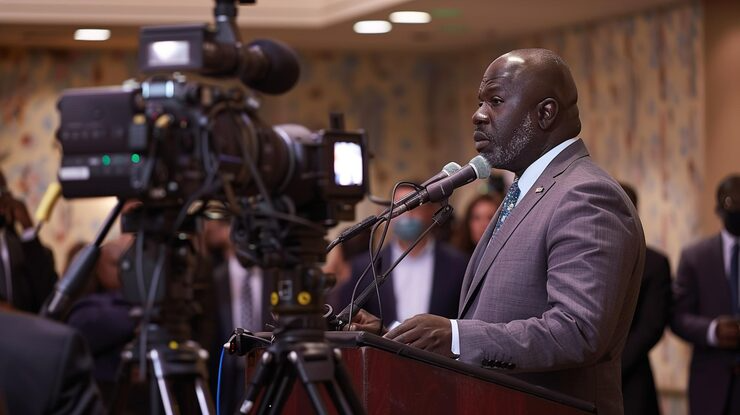
Full keynote and presentation recordings
Preserve the complete presentation, from the agreed opening point through the final remarks or question-and-answer session. This option works well for keynote speeches, technical presentations, lectures, training and thought-leadership sessions.
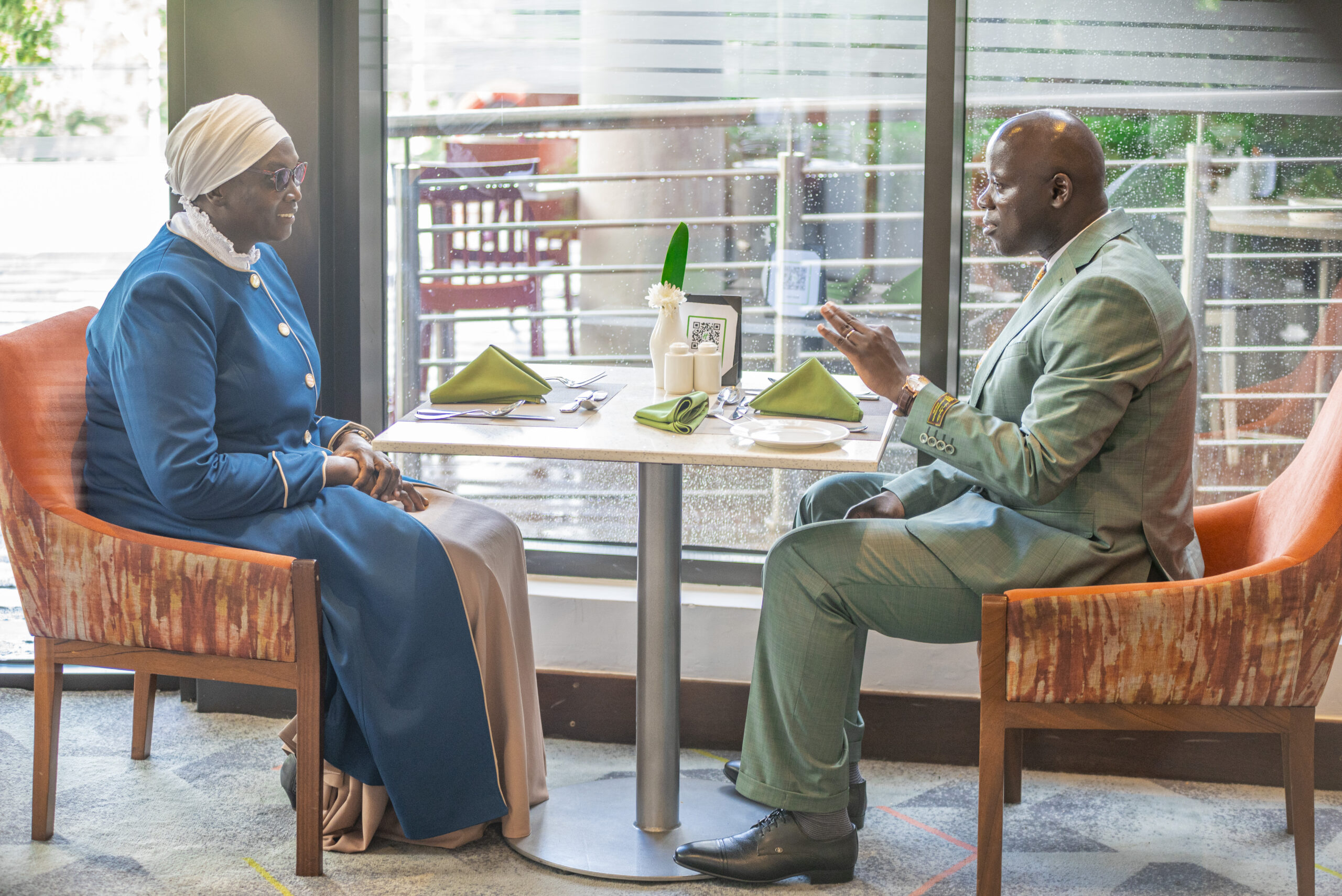
Panel and round-table recordings
Record the moderator, panellists and discussion in a coherent programme. We plan for speaker changes, shared conversations and audience questions so viewers can follow both the ideas and the people presenting them.

Breakout room and multi-track recording
When sessions run simultaneously, each required room needs its own recording plan. Share your full agenda early so we can identify overlaps and quote for the right production coverage instead of leaving valuable sessions unrecorded.
Speaker-specific and session-specific videos
Receive separate, clearly named files for individual speakers, panels, workshops or conference tracks. This makes it easier to publish selected sessions, share content with members or build a searchable learning archive.

Presentation and slide integration
Show the presenter, the slides or an agreed combination of both. Depending on the venue and presentation setup, slides may be captured from a suitable feed or supplied for post-production. Final presentation files and permission to publish them should be available.
Edited conference video library
Create a consistent collection with approved titles, speaker names, introductions, endings and file names. Captions, chaptering, branded graphics or multiple delivery versions can be included when specified in your quotation.
Conference recording, livestreaming or a highlights film?
These services solve different needs. Conference recording gives you complete, organised session videos for replay or archive. Livestreaming enables people to watch remotely while the event is happening. Event video coverage creates a shorter, more cinematic summary focused on the atmosphere, people and key moments.
You may need one, two or all three. For example, an association can livestream its annual conference to remote members, record each technical session for its learning portal and produce a two-minute highlights film for publicity. Tell us how the content will be used and we will separate the deliverables clearly.
A downloaded livestream is not automatically a polished conference archive. It may contain holding screens, interruptions or layouts designed for a live audience. If replay quality matters, include the final recording and editing requirements in the brief from the beginning.


What we need to plan your recording
If the programme is still changing, send the latest working version. We can identify the decisions that affect the quotation and update the scope before booking.
- Conference date, venue and access times
- Full programme with session start and finish times
- Room plan and all simultaneous tracks
- Sessions that require complete recording
- Speaker, moderator and panellist names
- Venue sound provider and technical contact
- Presentation, video playback and remote-speaker details
- Preferred view of the speaker, panel, audience and slides
- Required titles, branding, captions or languages
- File naming and segmentation preferences
- Public, private, member-only or restricted distribution
- Priority sessions and required delivery dates
- Organiser and final content approver
A recording process built around your agenda
Tell us which sessions matter and who will watch them. A public knowledge library, internal training archive and sponsor content package may require different editing, permissions and file formats.
We review the room layout, camera positions, venue sound arrangement, presentations, lighting, access and programme overlaps. A venue or technical assessment may be recommended for a complex setup.
Your quotation identifies the included rooms, sessions, recording approach and deliverables. This prevents uncertainty about concurrent sessions, breaks, private discussions and programme changes.
Our team follows the agreed programme and monitors the recorded content. Your event contact keeps us informed of schedule changes, substitute speakers and sessions that move between rooms.
We organise the material into the agreed sessions, apply the specified editing and add approved speaker details or presentation content. Your appointed reviewer checks names, titles and any content restrictions in one consolidated response.
Final videos are supplied using the agreed naming and delivery structure. Your team can then publish, distribute or archive them according to your organisation’s access and retention policies.
Clear sound makes the session worth watching
Conference audiences can accept a straightforward camera angle; they will quickly abandon a video if the speech is difficult to understand. That is why sound planning is central to the service.
We need to know how the venue will handle lectern microphones, presenter headsets, handheld microphones, panels, audience questions, playback and remote contributors. Sound that is loud enough in the room does not necessarily mean there is a clean, complete recording feed available.
Audience questions are a common weak point. If a participant speaks without a microphone, people in the room may hear the question while the recording does not. Panels also need an orderly microphone plan, particularly when speakers share microphones or speak at very different levels. We coordinate the recording requirements with the organiser and venue technical contact before the event.
Make presentations clear on replay
Slides often contain the detail that makes a conference presentation useful. Decide whether your viewers should see the speaker, the slides, or both. Supply final presentations and confirm that you have permission to include their text, images, data and other material in the delivered videos.
Presentation design also affects the replay. Small text that looks acceptable on a large projection screen may be unreadable on a phone. If online viewing is a priority, encourage speakers to use clear layouts and larger type.
Remote speakers and hybrid sessions need additional planning. Share the meeting platform, access arrangements and rehearsal information, and decide how the remote speaker, slides and room response should appear. Internet and remote-participant quality remain external dependencies, but early testing helps reduce avoidable problems.
Receive files that are easy to find and share
Generic camera file names are not a conference library. Before editing begins, choose a practical structure based on the event name, date, track, session title, speaker and version. We can then deliver separate videos for the sessions included in your scope.
Provide the correct spelling of every speaker’s name, title and organisation. Record late substitutions and programme changes so titles and file names do not rely on guesses. If you need chapters, thumbnails, transcripts, captions or separate public and internal versions, include them in the quotation.
Captions can make sessions more accessible, support silent viewing and improve the usefulness of a learning library. Specify the language, caption format and any specialist terminology. Automated transcripts require review where names, technical terms or exact wording matter, so your organisation should nominate a knowledgeable approver.
Protect restricted and sensitive content
Tell speakers, delegates and remote contributors how the event will be recorded and where the videos may appear. Mark private workshops, embargoed results, closed meetings and any discussion that must not appear in a public version.
Slides, audience contributions, badges and screens may reveal personal, copyrighted or confidential information. Your organisation is responsible for the necessary permissions and publication decisions. If you need both a full internal record and a restricted public edit, define each version in the scope.
Shammah Media does not assume permission to publish your recordings as portfolio material. Any public use of client names, speaker footage, conference details or outcomes requires approval.
Conference recording pricing in Kenya
Your quotation is based on the actual programme rather than a vague day rate. The main cost factors are the number of rooms, concurrent sessions, recording hours, camera coverage, sound requirements, presentation integration, travel, editing, graphics, captions and delivery schedule.
One room with a single sequence of presentations is different from four simultaneous tracks requiring complete coverage. A small set of lightly edited session files is also different from a branded library with slide integration, captions and urgent daily releases. Send the same programme and output specification when comparing proposals.
Our current planning terms use a 14-day quotation validity period, a 50% booking deposit and one consolidated review round. Travel outside Nairobi is quoted separately, and digital working files are normally retained for 90 days. Your signed quotation takes priority wherever different terms are agreed.
Request a detailed conference recording quotation .
Add complete event coverage where it helps
Conference recordings preserve the sessions. Your wider communication needs may call for additional content. Add conference photography when you need still images for reports, press coverage, sponsors and delegate communications. Add an event highlights film when you need a concise story that shows the atmosphere and value of attending.
Keeping these outputs within one production brief helps clarify access, schedules and priorities while preserving the distinct purpose of each deliverable.
FAQs
Yes, when each simultaneous room is included in the approved production plan with the required systems, staffing and access. Send the complete programme so overlaps can be identified before quotation.
Yes. Slides can be handled through an agreed presentation-feed or post-production workflow, subject to suitable files, technical access and permission to include the material.
No. Recording creates session files for later replay or archive, while livestreaming serves a remote audience in real time. The same event can require both services.
Yes. Tell us how sessions should be separated and named, and whether you need titles, graphics, captions or different access versions.
Captions can be included when the required language, format, review process and delivery timing are specified in the quotation.
Yes. We assess projects across Kenya according to the venue, programme, rooms, production requirements and travel logistics.
Raw files are supplied only when explicitly included in the agreement. File volume, organisation, transfer, storage and any third-party limitations must be considered separately from the finished videos.
Turn your conference programme into a valuable video library
Send Shammah Media your dates, venue, room schedule and priority sessions. Tell us whether the videos are for public replay, member access, internal training or a permanent archive, and we will prepare a recording scope around the outcome.