
Podcast Recording That Gives Your Show a Professional Sound and Look
Move from “we should start a podcast” to a show you can sustain
A successful podcast is more than microphones and a good conversation. Listeners need a clear reason to return, hosts need a format they can deliver consistently and every recording needs an efficient path from guest preparation to published episode.
Shammah Media provides audio and video podcast recording for businesses, organisations, experts and independent creators in Nairobi and across Kenya. We help you define the show, prepare episodes, record hosts and guests, edit the conversation and deliver the full episodes and promotional assets included in your production plan.
Your show may be an expert interview series, a branded business podcast, a panel discussion, an educational programme or a video-first conversation for YouTube and social media. The format is shaped around your audience, host style, release schedule and preferred platforms.
Share your podcast idea to receive a production quotation.
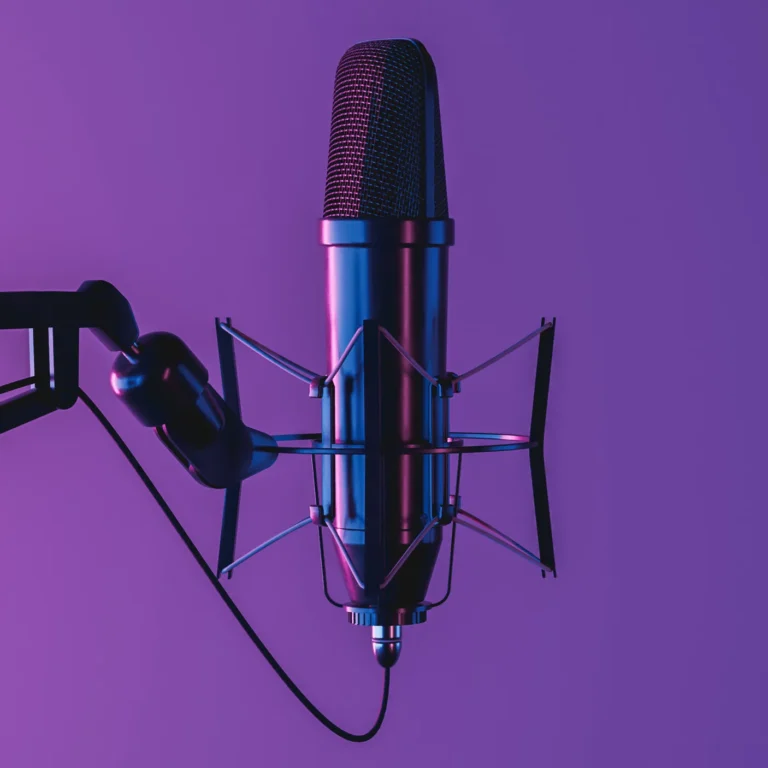
Choose the podcast format that fits your audience
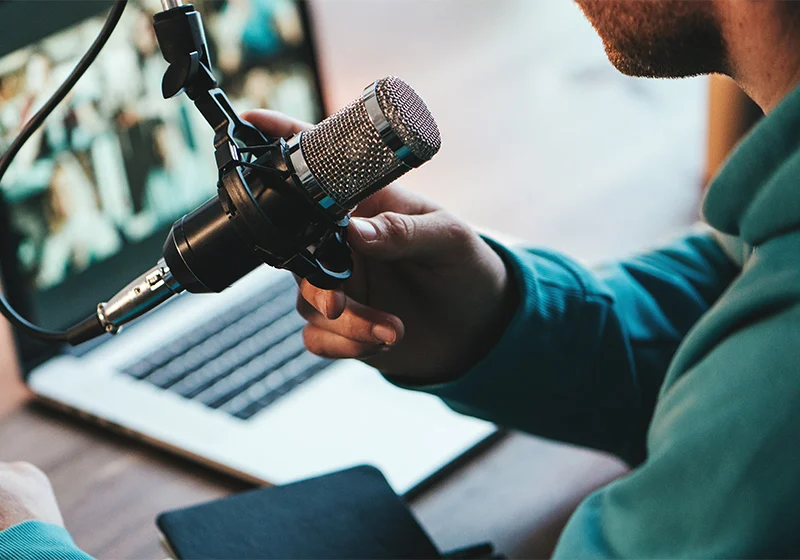
Audio podcast recording
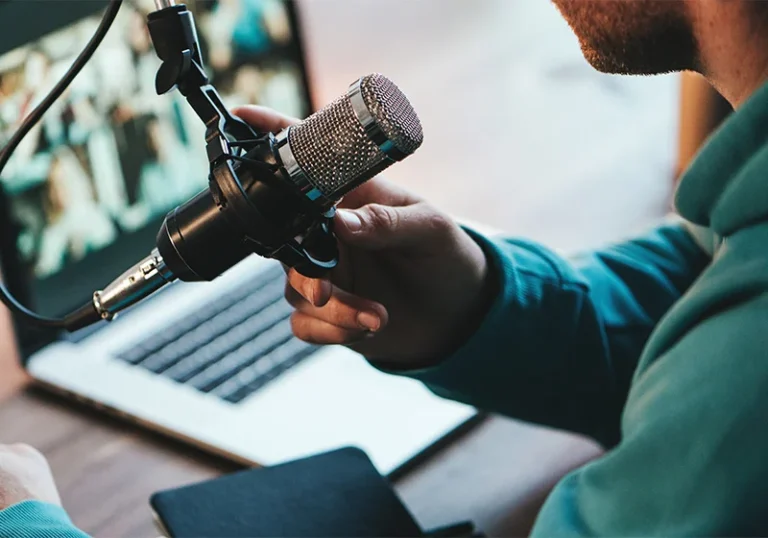
Create clear, balanced audio for hosts and guests in a suitable recording environment. The scope can include editing, intros, outros, music, advertising segments and the final audio master.

Video podcast recording
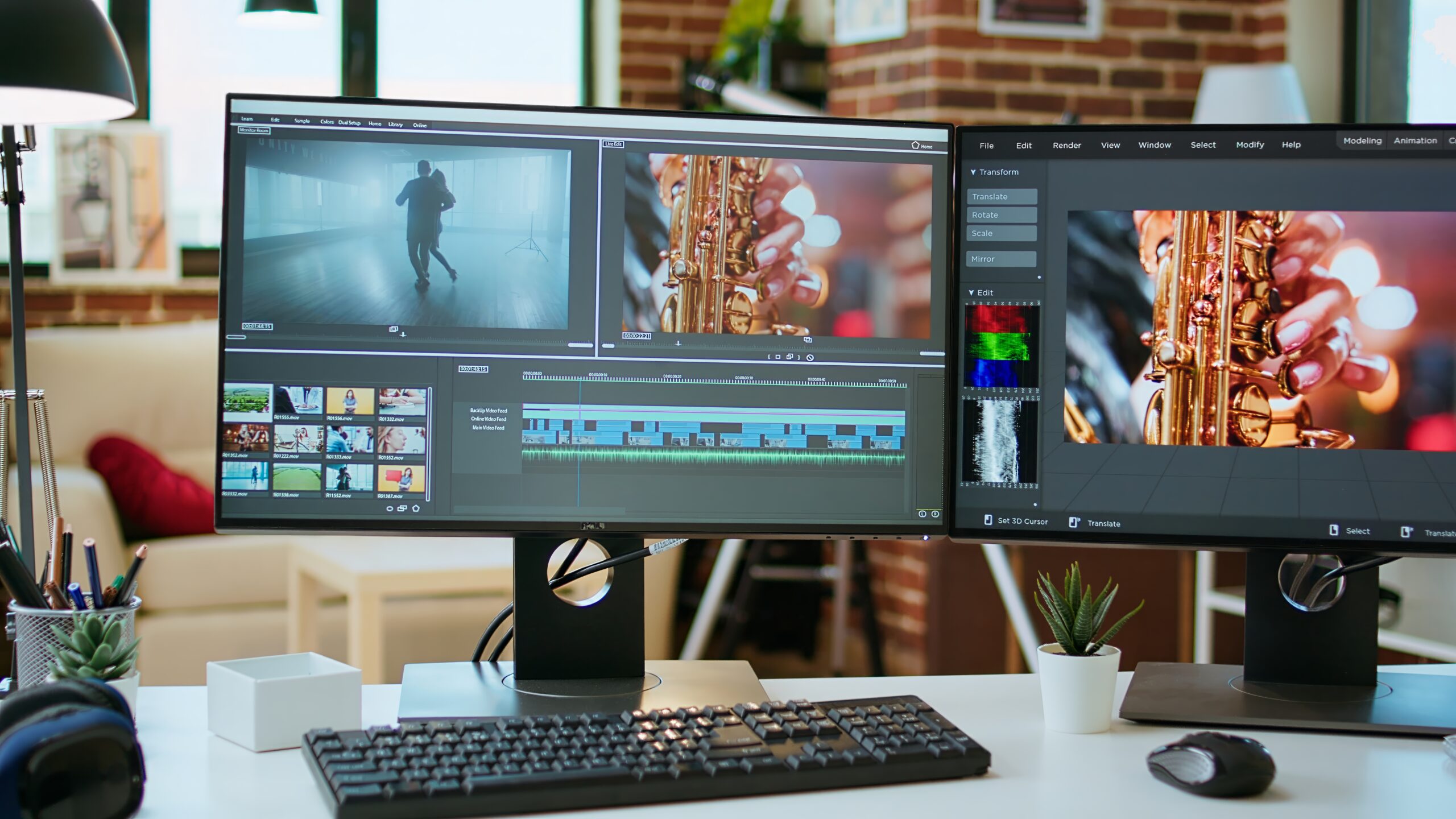
Add purposeful camera angles, lighting, backgrounds and visual continuity to the conversation. A video podcast can produce a full YouTube episode and shorter social clips when those outputs are planned from the beginning.
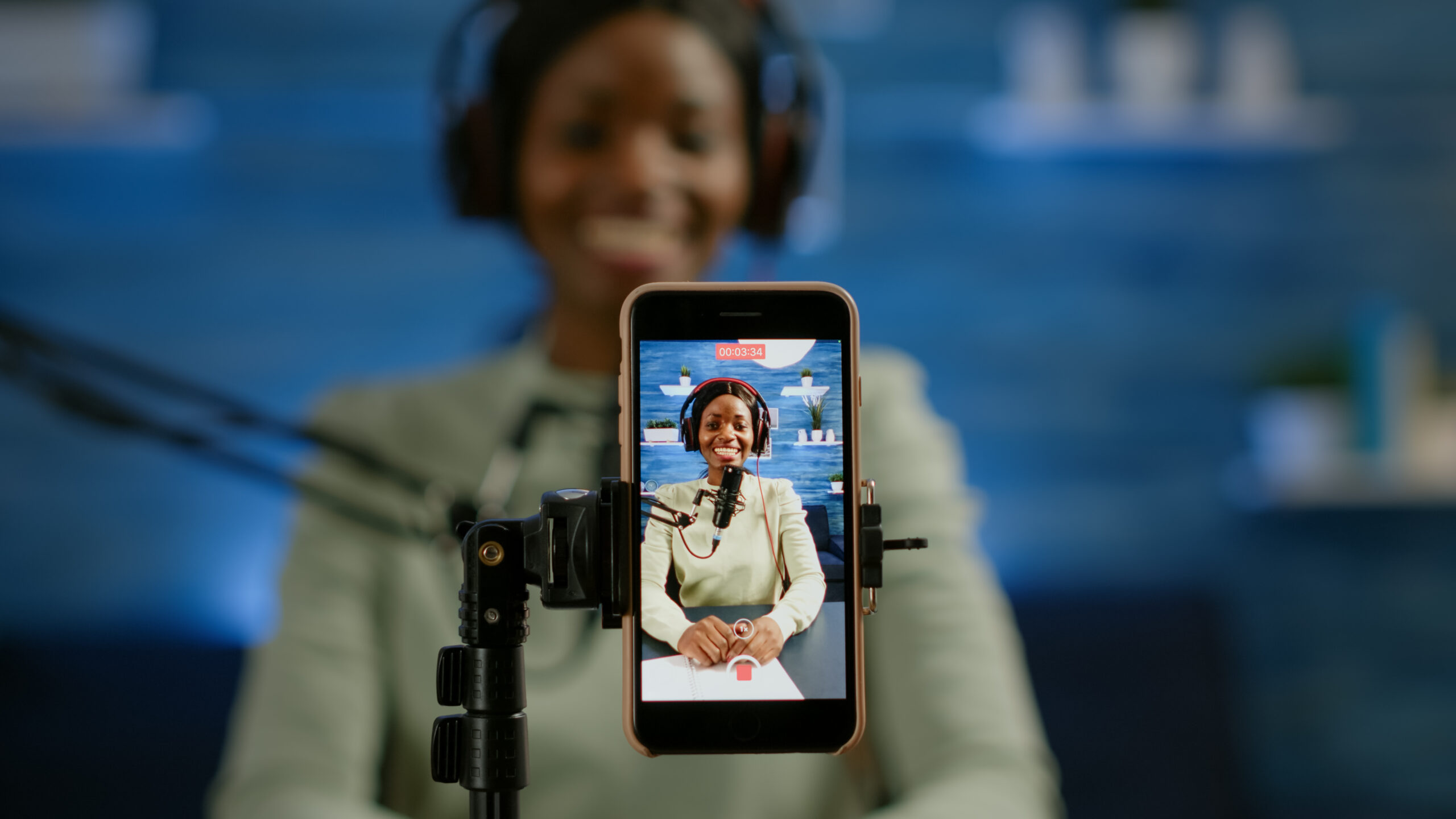
Interview podcasts
Build episodes around thoughtful conversations with experts, leaders, customers or creators. Host preparation and useful questions help the guest move beyond rehearsed promotional answers.

Co-hosted and panel podcasts
Record several voices with a seating, microphone and camera plan that supports natural interaction. The production accounts for cross-talk, speaker coverage and consistent sound levels.
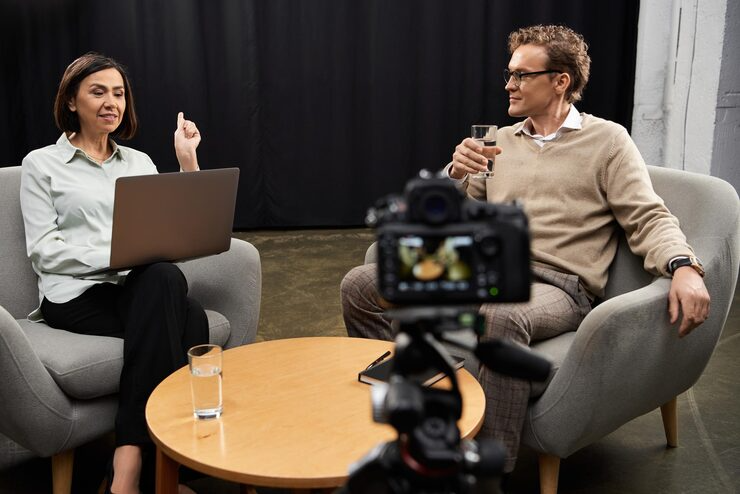
Remote-guest podcasts
Include guests who cannot attend in person. We assess the recording platform, connection, microphone, headphones, lighting and local environment, and set expectations around the achievable quality.
Branded podcast series
Give your organisation a repeatable way to share expertise, customer insight and industry conversations. The brand remains visible without overwhelming the useful content that gives listeners a reason to subscribe.
Give the show a promise people can understand
“Interesting conversations” is too broad to help an audience choose your podcast. A stronger show promise identifies who the programme serves, the questions it explores and the distinctive perspective or access it provides.
For example, a property business might interview people shaping how Kenyans buy, build and live. A professional association could explain changes affecting its members. A founder-led show could explore the practical decisions behind building companies. The promise guides topics and guests without forcing every episode into the same script.
We can organise the show into a few content pillars broad enough to support a season. Each episode then has one central idea, a relevant guest or host perspective and a clear reason it belongs in the series.

What to include in your podcast brief
You do not need every episode planned before contacting us. A clear audience, show idea and realistic publishing goal are enough to begin defining the format and production workload.
- Show concept and intended audience
- Audio-only, video or both
- Host, co-host, guest or panel format
- Main themes and example episode topics
- Approximate episode duration
- Publishing frequency and season length
- Recording location and preferred batch size
- In-person and remote contributors
- Intro, outro, music and sponsor requirements
- Visual style, background and camera preferences
- Captions, transcripts and languages
- Full episodes and promotional clips
- Artwork, thumbnails and episode metadata
- Review owner and target launch date
- Hosting, publishing and account responsibilities
A repeatable route from guest booking to finished episode
We clarify the audience, show promise, host roles, episode structure, recording style, season length and final outputs. These decisions create continuity across episodes.
The topic, guest, questions, biography, pronunciation, links, recording date and release deadline are confirmed. Permissions and sponsor information are collected before the session.
Microphones, headphones, cameras, lighting, storage and any remote connection are checked before the main conversation. Hosts and guests receive practical guidance so the recording begins comfortably.
4. Record the conversation
The conversation is shaped according to the agreed editing level. Music, graphics, captions, titles and promotional clips are added where included in the quotation.
Your show owner verifies names, claims, sponsor information, sensitive content and metadata. Approved files and assets are supplied or published only where platform responsibilities have been explicitly agreed.
Give hosts and guests the confidence to have a real conversation
Preparation should make a podcast sound better, not more rehearsed. Hosts need to understand the episode objective, the guest’s relevance, timing, required disclosures and the topics that matter most. This leaves them free to listen and ask stronger follow-up questions.
Guests should know the show’s purpose, audience, approximate duration, topic themes, location or remote instructions and where the episode may appear. Collect their correct name, title, biography, links and pronunciation from an approved source.
The conversation may still take an unexpected direction—that is often where the most valuable insight appears. A clear format gives the host a way to explore those moments and return to the episode’s central idea.
Record sound your listeners can stay with
Audio is the foundation, even when the podcast is filmed. A good microphone cannot fully repair a reflective room, loud air conditioning, table noise, jewellery, phones or a speaker who continually moves away from the microphone.
We assess the recording environment and provide practical microphone guidance. Comfortable seating and microphone positions matter during longer conversations. Headphones may be used where the approved monitoring or remote workflow requires them.
We monitor the recording while it happens rather than discovering major problems in the edit. Post-production can improve consistency and remove selected interruptions, but it cannot guarantee recovery from missing audio, severe distortion or several speakers constantly talking over one another.
Make a video podcast feel intentional
A camera placed beside an audio session does not automatically create a strong video podcast. Camera angles should show the person speaking, the interaction between guests and enough visual variety for a complete episode.
The background, lighting, seating, wardrobe, table items and branded elements create the identity of the show. Confidential screens, distracting objects and unapproved logos should stay out of frame. When several episodes are recorded together, intentional changes can create variety while preserving a recognisable visual style.
Social clips also influence framing. A wide two-person shot may not crop well into a vertical video, so individual speaker coverage or suitable composition should be part of the production plan.
Bring remote guests into the show successfully
Remote recording expands your guest list but introduces factors outside the main production space. Test the same device, microphone, headphones, room and internet connection the guest intends to use on recording day.
The guest should close unnecessary applications, silence notifications and understand how to reconnect if the call drops. We confirm whether the platform records locally, through the call or both, and who is responsible for starting, monitoring and retrieving the files.
Remote video and sound may differ from in-person material. Before recording, agree what happens if the quality falls below the intended standard: continue with the available result, switch to audio-only or reschedule.
Shape the episode without losing the speaker's meaning
Editing can remove false starts, repeated points, long pauses and selected technical interruptions. It can tighten a long conversation into a focused episode and add supporting titles, chapters or visuals. The agreed editing style should be clear to hosts and guests.
A shorter cut should still preserve context. Removing a qualification can change the meaning of advice or a personal opinion. Social extracts need particular care because a provocative sentence separated from the longer discussion may misrepresent the guest.
Names, dates, figures, links and sponsor messages require factual review. Health, legal, financial, safety or other specialist advice remains subject to approval by your qualified expert. Shammah Media records and edits the material but does not independently validate expert guidance.
Turn each episode into a useful content package
One recording can supply several planned assets: a full audio episode, full video episode, vertical clips, audiograms, captions, transcript, thumbnail frames, quote graphics and clean versions without time-sensitive sponsor messages.
Choose the number, duration, orientation and platform for each output. A vague promise of “social clips” can mean very different workloads. Planned extracts are selected around complete ideas and include enough context to make sense independently.
Batching several episodes can improve setup efficiency, particularly when the same hosts, location and visual treatment are used. Each episode still needs a prepared topic, guest, assets and release plan. Recording an entire season before the review and publishing workflow is ready can create a large unfinished backlog.
For a single corporate or expert conversation rather than a continuing show, see our interview filming service . Existing episodes that need finishing may fit our video editing service .
Use music, sponsors and third-party material correctly
Intro music, sound effects, video clips, photographs and other assets need licences compatible with audio platforms, video channels, advertising and promotional extracts. Streaming or buying a song for personal use does not authorise podcast distribution.
Sponsor messages should have approved wording, placement, dates, links and disclosures. Host-read adverts may need clean alternatives or updated versions when a campaign ends. The show owner remains responsible for verifying sponsor claims and offers.
Guests may mention books, research or broadcasts without granting permission to reproduce those materials. Supply ownership and licence information for any asset you want included in the episode.
Keep ownership and publishing responsibilities clear
Your organisation or creator account should control the podcast name, hosting account, feed, platform channels, artwork, descriptions and analytics. If publishing support is included, use appropriate delegated access instead of sharing passwords informally.
The quotation states who uploads, schedules, writes metadata, manages platform errors and updates expired sponsor details. Audio-feed distribution and video publication can involve separate workflows.
File delivery does not automatically include hosting, channel management, audience growth or paid promotion. Shammah Media also does not assume permission to publish your show as portfolio material; any public use requires approval.
Podcast recording pricing in Kenya
Pricing depends on show development, recording location, audio-only or video production, number of hosts and guests, episode duration, cameras, lighting, remote support, batch size, editing level, music, graphics, captions, transcripts, promotional clips and publishing responsibilities.
A basic audio conversation and a multi-camera branded episode with six short clips are different productions. Compare proposals using the same episode length, editing level and asset list rather than a single per-episode figure.
Our current planning terms use a 14-day quotation validity period, a 50% booking deposit and one consolidated review round. Travel outside Nairobi is quoted separately, and digital working files are normally retained for 90 days. Your signed quotation takes priority wherever different terms are agreed.
FAQs
Studio location, facilities, capacity and availability are confirmed before booking. We can also assess a suitable client or third-party location.
Yes, when the required microphones, camera coverage, lighting, editing and final versions are included in the production scope.
Yes. We assess the guest’s equipment, connection, room, platform and the quality needed for the final episode.
They can be included when the quantity, duration, orientation, captions and intended platforms are specified.
Publishing is included only when hosting, upload, scheduling, metadata and account-access responsibilities are expressly stated in the quotation.
Yes, when episode duration, participants, setup, breaks, preparation and post-production capacity support an efficient batch.
They can be included when the creative responsibility, licence, format and approval process are defined.
Give your podcast a format you can keep building
Send Shammah Media your show concept, audience, host and guest format, preferred episode length and required audio, video and social outputs. We will help you shape a production system around the show you want to release.