
Interview Filming That Helps People Speak With Clarity and Confidence
Turn a valuable conversation into a video people want to watch
The best interviews feel effortless, but they are rarely unplanned. The speaker needs to understand the purpose, the questions need to draw out useful answers, the setting needs to feel comfortable and the recording needs clear sound and purposeful visuals.
Shammah Media provides interview filming for companies, organisations, experts, filmmakers and event teams in Nairobi and across Kenya. We record leaders, employees, customers, specialists, speakers and community contributors for corporate films, case studies, documentaries, campaigns, events and online content.
Your interview is designed around the intended viewer. We help define what the audience should learn, prepare the contributor, plan the questions and visual setting, record the conversation and edit the strongest material into the agreed formats without changing the speaker’s meaning.

Interview videos for different communication needs

Corporate leadership interviews
Record founders, executives and managers explaining the organisation's vision, decisions, services or direction. These interviews can anchor a company profile, campaign, annual report video or stakeholder communication.

Employee and team interviews
Let employees explain their work, culture, expertise and experience in a natural voice. Thoughtful preparation helps contributors feel at ease while keeping the message relevant to customers, recruits or colleagues.

Customer testimonials and case studies
Capture real customer experience without forcing praise into a script. The questions help the participant describe the original need, the process and the outcome in their own words, with claims reviewed before publication.

Expert interviews
Record speakers, organisers, sponsors and participants during a conference or event. We plan interview times and a suitable location away from excessive noise and interruptions.
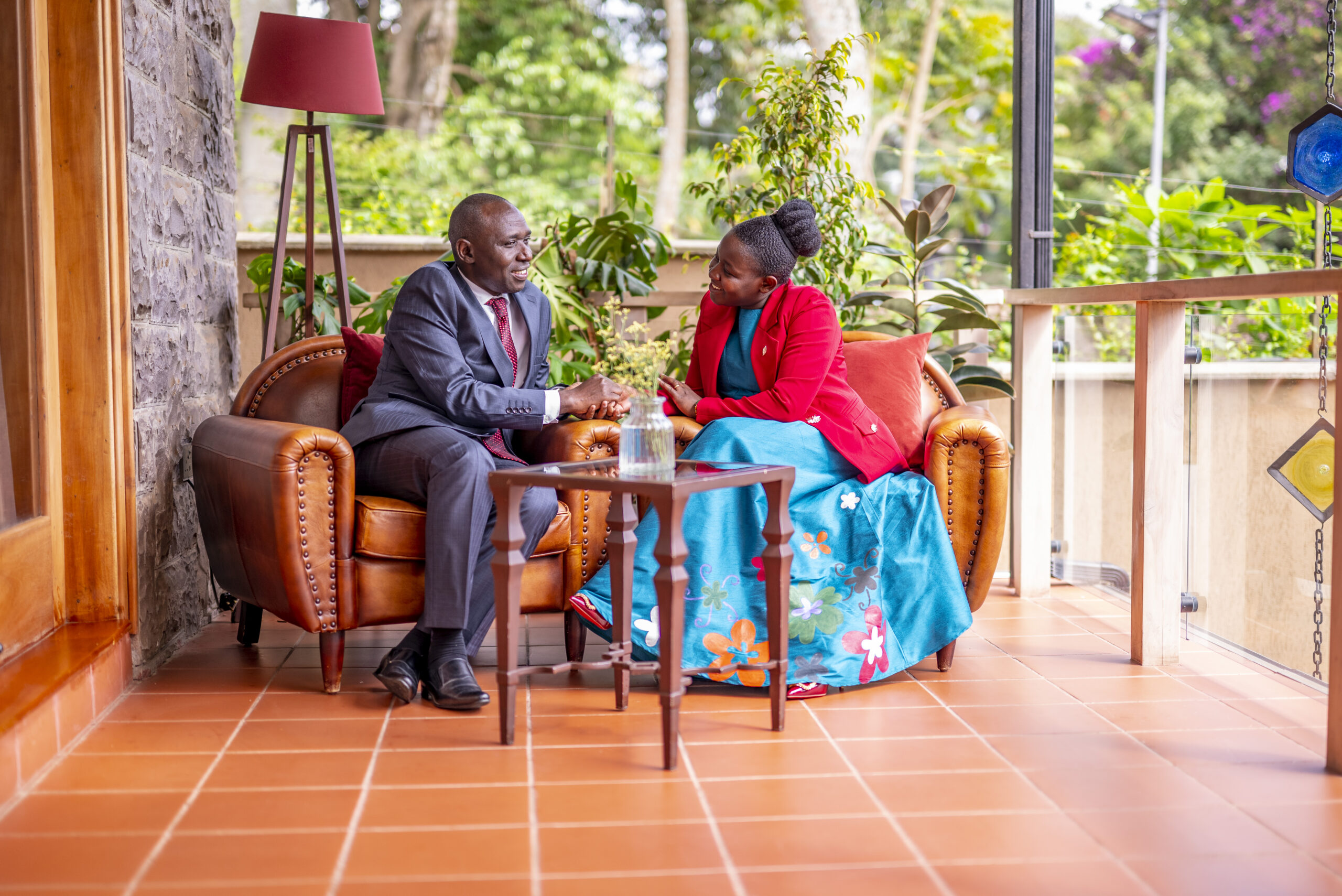
Interview content series
Create a consistent format across several guests or experts. A repeatable visual style, question structure, titles and delivery plan helps the series feel connected even when contributors and topics change.
Decide what the interview needs to achieve
An interview can introduce a leader, explain a complex service, prove a customer story, preserve a personal account or supply clips for a larger film. The purpose changes how the conversation is prepared and edited.
A case study needs specific experience and evidence. A company profile may need concise statements that connect several speakers. A documentary conversation can leave more room for reflection and unexpected detail. An event interview usually has limited time and must quickly establish relevance.
We also confirm the final format. You may need one polished feature, a full archival record, selected interview clips for another editor, several vertical social videos, or a combination. Knowing the deliverables before filming helps us ask the right questions and capture complete answers.


What to include in your interview brief
If your contributor is busy or nervous, tell us early. The schedule and preparation can be shaped to make the session calm and focused without rushing important setup or sound checks.
- Purpose of the interview
- Intended audience and publication channels
- Contributor’s name, role and relevance
- Main topics, questions or approved talking points
- Sensitive, confidential or restricted subjects
- Preferred final duration and video versions
- Full record, edited story or short extracts
- Proposed location and access details
- Spoken language, captions and translation needs
- Supporting footage, products, images or documents
- Correct title and organisation name
- Consent and usage requirements
- Project owner and factual approver
- Publication date and review deadline
A comfortable, well-prepared interview process
We establish why the interview is being recorded, what viewers need to understand and how the material will be used. This gives every question and production choice a clear direction.
The speaker receives practical information about the topic, timing, location and process. We agree whether to use exact questions, open themes, guided talking points or a scripted message.
The location is considered for sound, privacy, background, power, access, interruptions and visual context. We allow enough time to light the scene, test sound and help the contributor settle in.
The interviewer asks clear questions and listens for useful follow-ups. Contributors can pause or repeat an answer. We monitor the technical recording and note statements that may need factual confirmation.
Where included, we record supporting footage of the person, place, product or process. The edit selects the strongest answers, adds agreed graphics or captions and preserves the contributor’s intended meaning.
Your appointed reviewer checks names, titles, claims, sensitive material and final versions. Approved videos are delivered in the agreed formats and file structure.
Help contributors sound like themselves
Good preparation reduces anxiety without replacing the speaker’s real voice. Contributors benefit from knowing the purpose, themes, likely duration, intended audience and where the finished video may appear. They can prepare examples and verify facts without memorising a marketing speech.
Exact scripts can be useful when wording must be precise, but not every person sounds comfortable reading one. Guided talking points or an interview often produce more natural delivery. We choose the approach around the speaker and communication risk.
The contributor also needs simple practical guidance: where to look, how the questions will work and that it is acceptable to stop and restart. Editing can remove pauses and repetition, but it should never assemble words into an opinion the person did not express.
Ask questions that lead to complete, useful answers
The interviewer needs to understand the subject, listen carefully and ask follow-up questions. Reading a list mechanically can miss the detail that makes a story memorable. At the same time, important topics, facts and calls to action should not depend on memory.
Open questions encourage explanation. Specific follow-ups clarify examples, dates, processes and outcomes. Leading a customer toward a predetermined compliment can make a testimonial feel false and may create claims the evidence does not support.
Decide whether the interviewer will appear or be heard in the final video. If the questions are removed, the contributor may need to answer in complete sentences so each selected response makes sense on its own.
Choose a location that looks right and sounds clear
A workplace can add credibility and show viewers where the contributor’s story takes place. A controlled studio-style setup can offer consistency, privacy and fewer distractions. The best choice supports both the speaker and the audience.
Sound is the priority. Fans, air conditioning, traffic, machinery, room echo, music, phones and public movement may seem normal in person but become distracting in a recording. We assess the space and plan microphone placement, lighting, background and interruptions.
The background should not reveal confidential screens, documents, unapproved people or misleading activity. If the setting cannot explain the work clearly, supporting footage can show the relevant process separately.
Use supporting footage to bring the story to life
An interview becomes more engaging when viewers can see what the contributor is discussing. Supporting footage may show the person’s work, the location, products, documents, customers, an event or important details. It also gives the edit a visual way to move between selected answers.
The shot list follows the interview topics. A customer describing a service may be supported by genuine process footage. An expert explaining a product may need close demonstrations. A profile interview may benefit from the speaker interacting naturally with their environment.
Activity should not be staged as spontaneous evidence if it did not occur that way. Supplied photographs, archive clips and third-party material also need suitable ownership and publication permission.
Keep facts, claims and context accurate
People can describe their experience honestly while still misremembering a date, using an old title or overstating a figure. Your review process should confirm names, roles, statistics, product information, results and other important claims.
Qualifications should not be removed simply to create a shorter or more dramatic quotation. This is particularly important for testimonials, specialist guidance, advertising and public-policy communication. A sentence can also change meaning when separated from the longer answer, so social clips need their own contextual review.
Shammah Media records and edits the interview to the approved brief. Your qualified reviewer remains responsible for specialist advice and client claims.
Respect consent, privacy and sensitive experiences
Contributors should understand who commissioned the interview, the topics, intended channels and likely audience. A video made for a small member group creates different expectations from a paid advertisement or an indefinitely available public film.
Stories involving health, family, employment, legal issues, security or trauma can expose personal information. Discuss foreseeable risks and avoid pressuring anyone to reveal more than intended. Children and vulnerable contributors require suitable authority and safeguarding.
Hiding a face does not always protect identity. Voice, location, clothing and story details may reveal the person. Tell us what must remain private so suitable recording, editing and publication safeguards can be agreed before filming.
Shammah Media does not assume permission to display an interview in its portfolio. Public use of contributor names or footage requires approval.
Plan the final videos before the interview
Possible deliverables include a full interview record, edited feature, case-study segment, clean selects, vertical clips, captions and transcripts. State the quantity, approximate duration, orientation, language and intended channel.
If another team will complete the edit, define the selected footage, sound, colour treatment, file organisation and transfer requirements. Raw recordings and editable project files are not automatically included with finished videos.
For a repeatable audio-and-video episode format, explore podcast recording . For interviews forming part of a wider branded film, see video production .
Interview filming pricing in Kenya
Your quotation depends on the number and length of interviews, research and question development, location, setup, cameras, lighting, sound, supporting footage, travel, transcription, captions, translation, graphics, editing and number of final versions.
A camera booking is different from a fully produced interview with contributor preparation, an interviewer, supporting visuals and several edited outputs. Compare quotations using the same deliverables and production responsibilities.
Our current planning terms use a 14-day quotation validity period, a 50% booking deposit and one consolidated review round. Travel outside Nairobi is quoted separately, and digital working files are normally retained for 90 days. Your signed quotation takes priority wherever different terms are agreed.

FAQs
Themes or exact questions can be shared according to the editorial approach and the contributor’s needs. We agree the preparation method before filming.
Interview producing or presenting can be included once the subject, preparation and on-camera or off-camera role are defined.
Yes, when the space offers suitable sound, privacy, background, access and enough room for the production setup.
Yes, subject to the contributor’s connection, local equipment, platform, technical support and the quality required for the final video.
They can be included when the language, format, verification and delivery requirements are specified in the quotation.
Yes. Short versions should be planned, accurately framed and covered by the contributor’s agreed usage.
Yes. We assess interview projects across Kenya according to the contributor, location, schedule, production requirements and travel logistics.
Record an interview that gives your audience something meaningful
Send Shammah Media the contributor, subject, intended audience, location and final video formats. We will help you plan a confident conversation and a professional production around the story you need to tell.