
Video Production That Turns Your Message Into a Story People Can Follow
Create a video with a clear purpose
A strong video does more than look polished. It helps the right audience understand your organisation, trust your message and know what to do next. That result depends on the thinking before filming just as much as the camera work and editing afterwards.
Shammah Media provides video production services for businesses, organisations, institutions and campaigns in Nairobi and across Kenya. We can take your project from an initial objective through concept development, pre-production, filming, post-production and channel-ready delivery.
Whether you need a website film, brand story, customer case study, campaign video, training resource or documentary-led piece, we build the scope around its job. You know what will be produced, who is responsible for each input and which final versions are included before the shoot begins.
Tell us what your video needs to achieve.
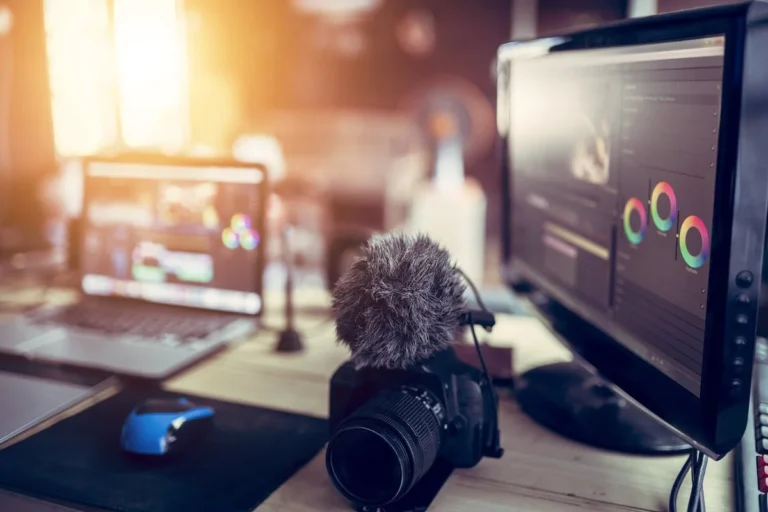
Video production services for different goals
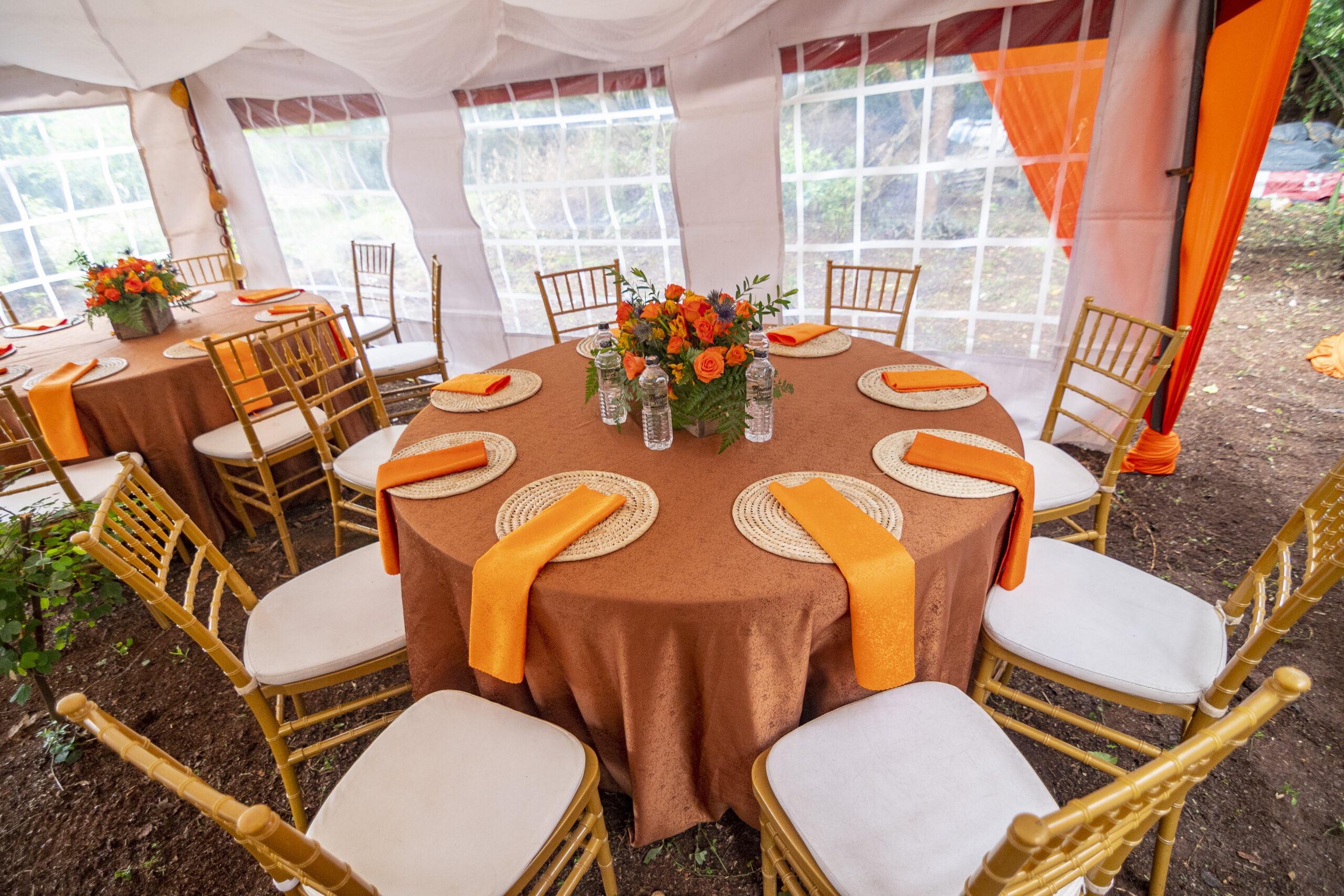
Brand and company stories
Introduce your organisation through its purpose, people, work and customer value. A brand film can combine leadership interviews, workplace scenes, customer perspectives and supporting visuals for your website, presentations or campaigns. If this is your main need, explore our dedicated corporate video production service.

Marketing and campaign videos
Turn a campaign idea into a focused message with a clear audience and action. We can plan a main film and related short versions when the channels, formats and quantities are agreed before filming.
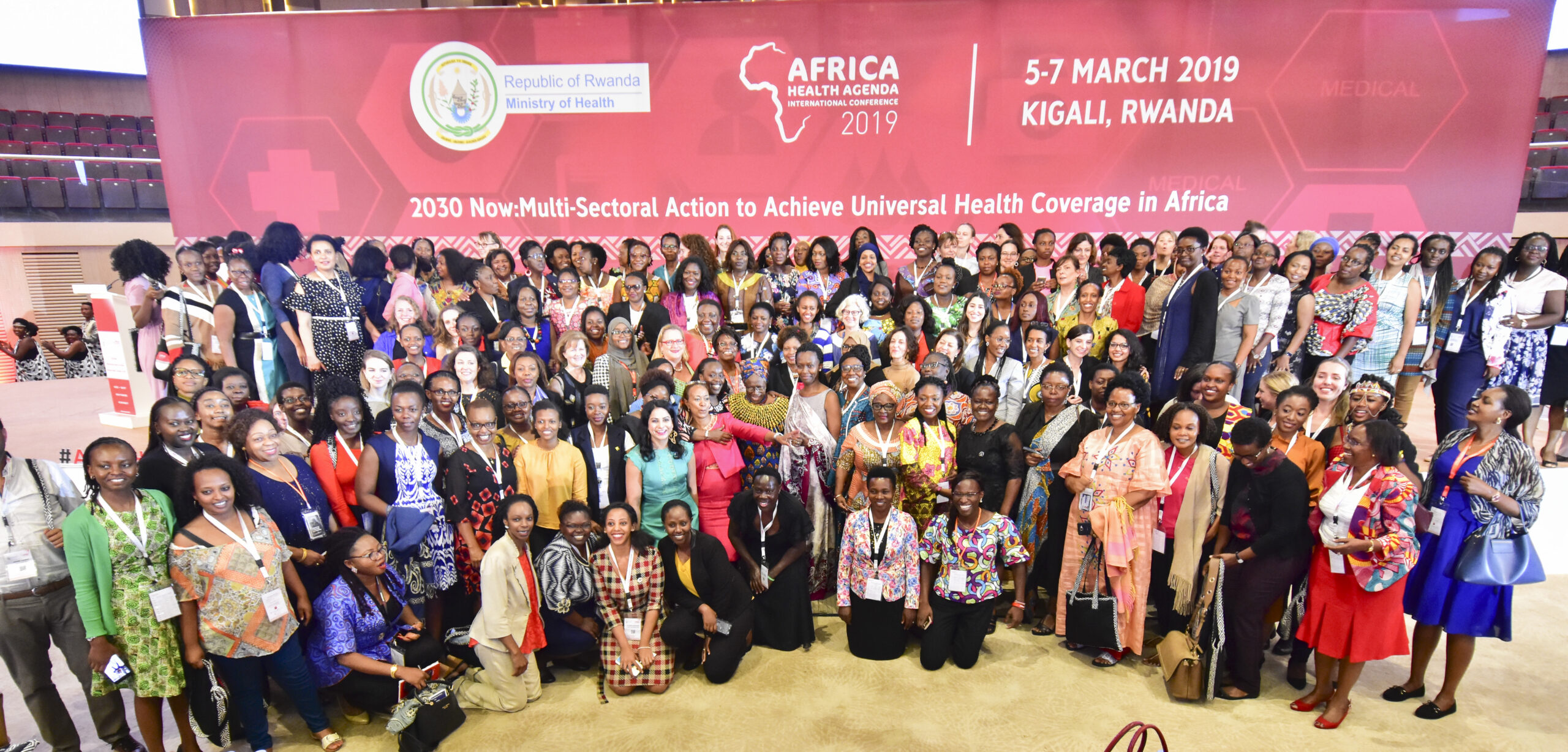
Customer stories and testimonials
Help real customers explain the value and experience of working with your organisation. We prepare the interview approach, supporting footage and story structure while keeping the contributor's voice natural and credible.
Training and explainer videos
Make a process, service or idea easier to understand. Training and explainer work can use presenters, demonstrations, interviews, graphics, captions and step-by-step scenes according to the audience and subject.

Documentary and impact stories
Show change, experience and human perspective through interviews and observed activity. These projects often require deeper research, careful contributor relationships and a more flexible production plan. See our documentary production service for a dedicated workflow.

Multi-video content campaigns
Plan several related videos within one production system. This can include a main story, topic-based edits, speaker clips and vertical versions. Each output is listed by duration, orientation and purpose so a “content package” never becomes an undefined promise.
What your production can include
The services included depend on your brief. A complete production may cover:
Your quotation identifies the included items and any client-supplied inputs. This makes it easier to compare options and prevents important work such as scripting, captions or social adaptations from being discovered after filming.
- Discovery and development of the communication objective
- Concept, treatment and creative direction
- Scriptwriting, interview questions or story structure
- Shot list, storyboard and production schedule
- Location, contributor and logistics planning
- Filming of interviews, demonstrations, scenes and supporting footage
- Sound recording and lighting suited to the production
- Editing and story assembly
- Colour finishing and sound treatment
- Titles, logos and agreed motion graphics
- Music, voice-over or stock elements where specifically licensed and included
- Captions and agreed language versions
- Main video and separately listed short or vertical adaptations
- Final exports prepared for the named channels

From idea to finished video
We begin with who should watch, what they should understand and what action should follow. Tell us where the video will appear, the ideal publication date and any business, campaign or event deadline it must support.
The objective becomes a practical concept, structure or treatment. Depending on the production, this may include a script, interview themes, story outline, storyboard or visual references. You approve the factual message and brand direction before production commitments are made.
We confirm filming dates, locations, contributors, access, permissions, scenes, props, wardrobe, sound, lighting, travel and contingency. One approved production plan keeps your team, contributors and our crew aligned.
Production follows the approved priorities while responding to real conditions on site. An authorised contact from your team is available to resolve access, factual or operational questions without delaying the schedule.
The filmed material is shaped into the agreed story with sound, colour, titles and other included elements. Your coordinator collects feedback from all stakeholders and sends one consolidated response during the review round stated in the quotation.
Once the final content is approved, we export the named durations, orientations, captions and formats. The delivery date depends on the production scope, filming schedule and review turnaround and will be confirmed in writing before booking.
A useful brief leads to a useful quotation
Share the information you already know:
You do not need a finished script to enquire. A clear objective and audience are enough to begin a productive discussion.
- Main business or communication objective
- Primary audience and any secondary audience
- Message the viewer should remember
- Action the viewer should take
- Website, social, advertising, television, presentation or internal channels
- Preferred main-video duration
- Number and approximate length of additional versions
- Horizontal, square or vertical requirements
- Required publication date
- Proposed filming dates and locations
- Employees, customers, experts, actors or other contributors
- Existing script, footage, brand assets or campaign materials
- Language, caption and accessibility requirements
- Review stakeholders and final decision-maker
- Intended markets, channels and usage period where relevant
- Budget range or fixed production constraints
Plan for every channel before filming
A website banner, presentation screen, television slot and vertical social feed ask viewers to watch in different ways. They can require different framing, opening moments, durations, captions and calls to action.
If you need several formats, define them before the shoot. Vertical clips may need closer framing or separate takes. A silent autoplay video needs a visual opening and readable captions. A presentation film may need a slower pace and space for a live introduction.
We organise the production around a priority asset and then show how each additional version relates to it. This creates a more useful content library without pretending that every crop or duration appears automatically from one master edit.
For frequent campaign content, it may be more efficient to plan a series than to commission unrelated videos one at a time. A shared visual approach and production schedule can create consistency while keeping each video focused on one message.
Help your contributors feel prepared
Most employees, customers and experts are not professional presenters. They usually perform better when they understand the purpose, practical setup and themes without being asked to memorise unfamiliar corporate language.
For interviews, we can prepare questions or topic prompts that encourage complete, natural answers. For scripted delivery, allow time for approval and rehearsal. Your team supplies and verifies names, titles, terminology, statistics and business claims before filming or final approval.
Tell contributors where the video may appear and how much time the session will require. Consent, releases, confidentiality and withdrawal boundaries depend on the project and participants. Productions involving children or vulnerable people require appropriate authority and particular care, which must be discussed before booking.
Choose locations that support the story
A visually attractive room is not always a good filming location. Noise, echoes, limited power, poor access, confidential activity and lack of working space can all affect the result. Share photographs or arrange a location review when the site is unfamiliar or central to the production.
Before filming, confirm property authority, access hours, parking, security, power, room availability and any operational restrictions. Hide confidential screens, documents, customer data and processes that should not appear on camera.
For multiple locations, the schedule needs realistic setup, movement and travel time. Productions outside Nairobi are assessed according to the locations, crew, equipment, transport and accommodation required. International clients should appoint a local access coordinator and a final approver who can work across time zones.
Sound, music and captions matter
Viewers may forgive a less elaborate image, but poor speech audio quickly makes a video difficult to follow. Tell us about interviews, live dialogue, machinery, traffic, performances or noisy venues during planning. A venue’s sound system does not automatically provide a clean production recording.
Music also needs the right usage basis. A track found on a personal playlist or social platform is not automatically cleared for a company video, advert or long-term campaign. The quotation should state whether music selection, licensing, voice-over or stock assets are included and who retains the relevant records.
Captions help people watching without sound and make spoken content more accessible. Confirm the required languages, spelling of names and specialist terminology. We can then scope burned-in captions, separate caption files or alternative language versions as required.
A clear review process protects the result
Video projects slow down when several departments send conflicting comments or a new decision-maker changes the message after editing. Appoint one coordinator to collect feedback and one person with final approval authority.
Use time-coded, consolidated comments and return them by the deadline in the production schedule. The included review round can address factual corrections and agreed creative refinements. New scenes, messages, durations, languages or formats may require a revised scope because they change the production that was approved.
Before final delivery, your approver checks names, titles, claims, logos, dates, contact details and any legal wording. Shammah Media can build and edit the film, but your organisation remains responsible for the accuracy of its supplied facts and business claims.
Raw footage, project files and usage
Finished videos are the standard production outcome. Raw footage and editable project files are not automatically included. If your team needs them, request this before quotation so file organisation, transfer method, storage media, third-party restrictions and technical handover can be considered.
A drive of camera files is not the same as a finished or searchable media library. If reusable clean clips are important, list the subjects and expected organisation so they can be treated as a separate deliverable.
Tell us if the video will be used for paid advertising, television, international distribution or a fixed campaign period. Those choices can affect contributor, music, stock and voice-over requirements. The intended use and any limitations should be clear before production begins.
What determines your video production quotation?
The price is shaped by the work required to create the approved result, not simply the finished duration. A 60-second campaign film can involve more planning and production than a longer, straightforward interview. Your quotation may consider:
Our current planning terms use a 14-day quotation validity period, a 50% booking deposit and one consolidated review round. Digital working files are normally retained for 90 days, and travel outside Nairobi is quoted separately. Your signed quotation takes priority wherever different terms are agreed.
- Creative development, research and scripting
- Filming days, hours and locations
- Number of contributors and scenes
- Crew, camera, lighting and sound requirements
- Set, props, styling, actors or specialist contributors
- Travel, permissions and location costs
- Editing complexity, graphics, colour and sound
- Music, voice-over and stock licensing
- Captions, languages and accessibility versions
- Main video and every additional duration or orientation
- Review rounds and requested delivery schedule
- Raw-footage or project-file handover
FAQs
Yes. Creative development can be included from the start. Share the objective, audience, channels and constraints, and the quotation will state the concept, scripting or planning work included.
Yes, when the formats, durations, messages and quantities are planned before filming. Separate framing or scenes may be needed for vertical and horizontal versions.
The schedule depends on concept approval, locations, contributors, filming days, editing complexity and your review turnaround. The agreed production and delivery dates will be stated in the quotation.
Only when listed. Music licensing, voice-over talent, language and usage must be defined for the project rather than assumed.
Our current planning terms include one consolidated review round unless the signed quotation states otherwise. New content, scenes or formats are treated separately from corrections within the approved scope.
Only when this is requested and included in writing. Transfer, file organisation, storage and third-party restrictions need to be agreed before production.
Yes. Projects across Kenya can be assessed according to locations, schedule, crew, equipment, transport and accommodation requirements.
Turn your objective into a production plan
Send the audience, message, channels, preferred duration, filming locations and publication deadline. Add any existing script, campaign brief or example that helps explain your direction.
We will review the project, identify the production decisions still needed and prepare a written scope for the creative work, filming, post-production and final versions.