
Corporate Videos That Make Your Business Easier to Understand
Give people a clear reason to choose, trust or join your organisation
Your audience should not have to read dozens of pages to understand your business. A well-planned corporate video can introduce your organisation, put real people behind the name and show the work, experience or values that support your message.
Shammah Media produces corporate videos for businesses, institutions, development organisations and professional teams in Nairobi and across Kenya. We help shape the story, prepare contributors, film your people and operations, and deliver the approved versions for your website, presentations, campaigns, social channels or internal communication.
The result is built around one primary audience and one clear business purpose. That focus helps the film feel useful and credible instead of becoming a long list of everything the organisation has ever done.
Tell us who your corporate video needs to reach.

Corporate video formats

Company profile videos
Explain who you serve, what you do and what sets the organisation apart. A company profile can combine leadership interviews, workplace footage, services, facilities, customer context and a direct next step. It works well on an About page, sales presentation, investor meeting or partner introduction.

Brand story videos
Connect your purpose, history, people and customer value through real examples. We build the story from details your organisation can support rather than generic claims. This creates a more human film without exaggerating heritage, impact or customer sentiment.

Leadership and executive messages
Help a leader deliver a focused announcement, vision, update or campaign message. We can plan the setting, script or talking points, recording approach, titles, captions and channel versions while giving the speaker time to prepare.

Customer case studies and testimonials
Let customers or beneficiaries describe their experience in their own words. We combine a prepared interview with relevant supporting scenes and verified context. Participation, claims, logos and publication approval need to be agreed before filming.
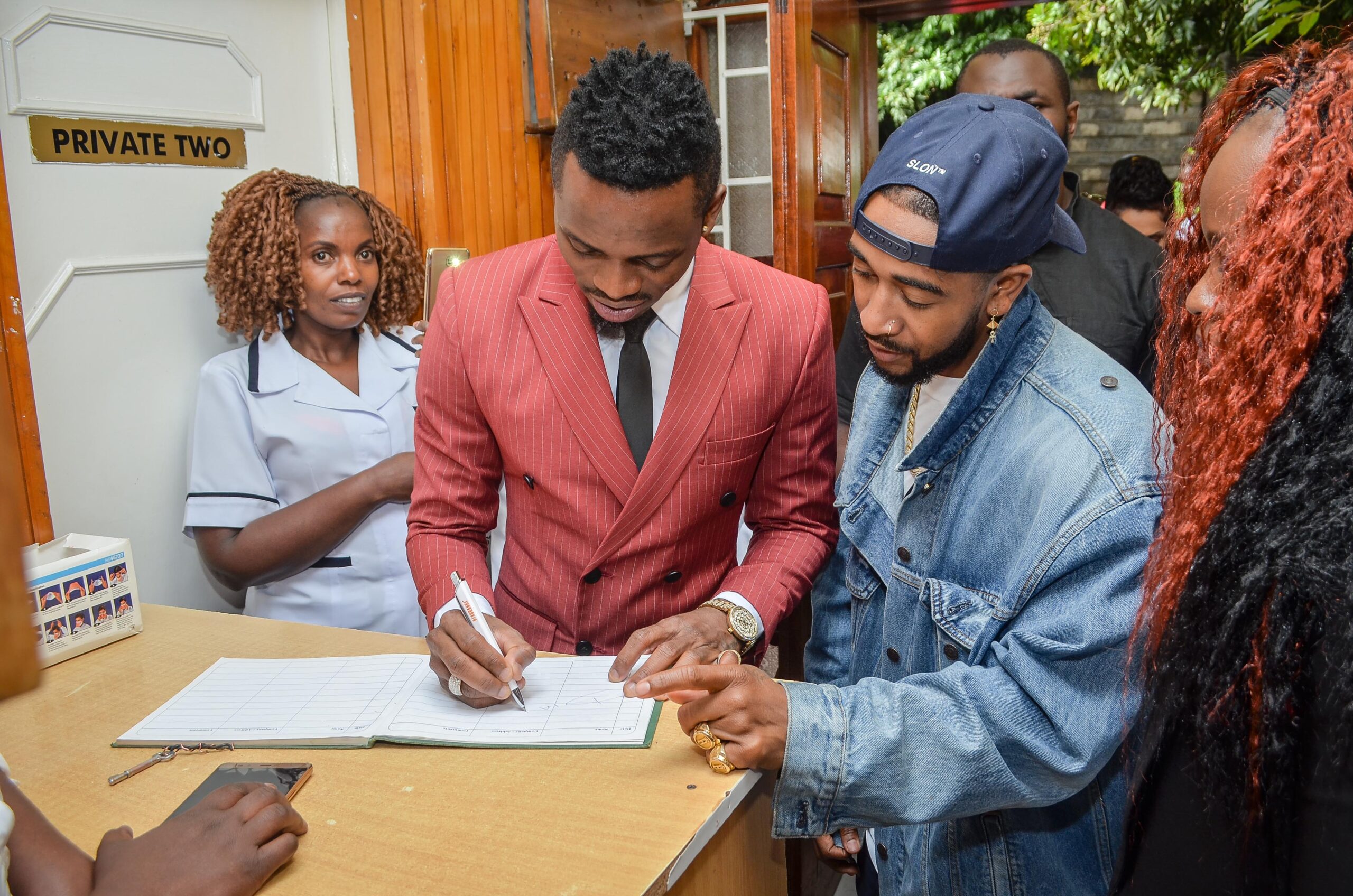
Recruitment and workplace culture videos
Show prospective employees the work environment, people, roles and everyday experience of the organisation. A credible recruitment film reflects real conditions and avoids promising benefits, career outcomes or culture claims the company cannot support.
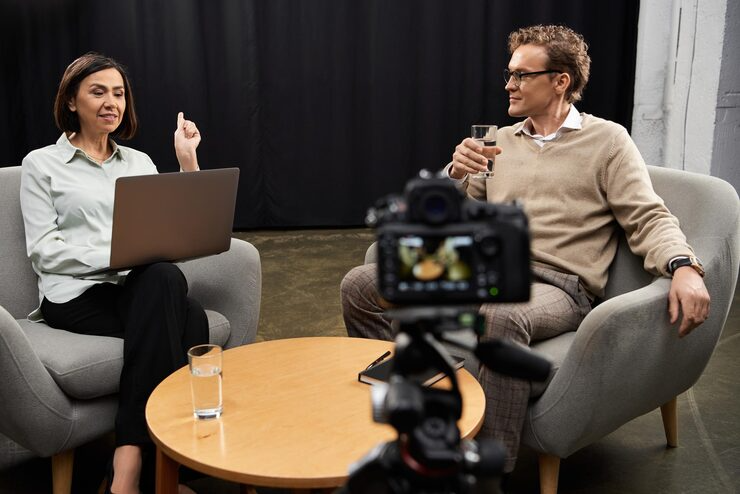
Corporate social-video series
Build a repeatable set of short videos around leadership insight, customer questions, services, team expertise or company news. Planning the themes and production rhythm together can make ongoing content more consistent and easier to approve.

Internal communication videos
Deliver change messages, programme updates, training introductions or leadership communication consistently across teams and locations. We plan the intended internal audience, access route, captions, language versions and useful lifespan of the content.
What your corporate video production can include
Depending on the project, your quotation may include:
For productions that extend beyond a corporate story into a wider campaign, training series or documentary, our complete video production service can cover the broader workflow.
- Discovery and communication planning
- Concept, treatment and story structure
- Scriptwriting or interview-question development
- Contributor preparation and filming schedule
- Location, access and logistics planning
- Leadership, employee, customer or expert interviews
- Workplace, facility, service and supporting footage
- Sound recording and production lighting
- Editing, colour finishing and sound treatment
- Logos, names, titles and agreed motion graphics
- Music, voice-over or stock assets where specifically included
- Captions and agreed language versions
- Main company film and separately listed short or vertical edits
- Exports prepared for the named website, presentation or social channels

Build the story around the audience
A prospective customer, employee, development partner and investor do not ask the same questions. Before discussing scenes or duration, decide which audience matters most and what they should understand after watching.
A customer-facing film may lead with the problem you solve and evidence of how you work. A recruitment film may focus on roles, people and the working environment. A partner film may need programme context, delivery capability and documented outcomes. A leadership update may need clarity and consistency more than cinematic complexity.
When several audiences have different needs, a modular series can work better than one long overview. A main profile film can introduce the organisation while shorter videos explore services, teams or case studies. This also makes future updates easier when people, statistics or offerings change.
From business brief to approved video
Tell us who should watch, what they currently know and what should change after viewing. Share the intended channels, publication date and action you want the audience to take.
We identify the contributors, locations, facts and examples that can make the message credible. Your team assigns owners to verify claims, names, roles, statistics and brand language before the story is approved.
Scripts or interview themes, filming dates, access, permissions, brand assets, scenes and final deliverables are organised into one production plan. Contributors know what to expect and how the video will be used.
We capture the approved interviews and supporting footage while respecting operations, privacy, security and safety on site. Your authorised contact resolves any access or factual questions that arise during the shoot.
The footage is assembled with sound, colour, titles and the other included elements. Your project coordinator gathers comments from all stakeholders and returns one consolidated set of time-coded feedback during the agreed review round.
After approval, we export the master film and every separately listed duration, orientation, caption or language version. The production and delivery schedule will be confirmed in your written quotation.
What to include in your corporate video brief
Start with the information you already have:
You do not need to solve the whole creative approach before contacting us. A clear audience, objective and deadline give us enough to recommend the next step.
- Primary audience and market
- Business or communication objective
- One central message
- Evidence or examples that support the message
- Action the viewer should take
- Website, presentation, social, media or internal channels
- Preferred main-film duration
- Required short, vertical or alternative versions
- Leaders, employees, customers or experts who may appear
- Locations and business activities to show
- Existing scripts, footage, brand assets or campaign materials
- Required graphics, captions and languages
- Publication date and campaign dependencies
- Project coordinator, subject reviewers and final approver
- Confidentiality, access or usage restrictions
Budget range or fixed production constraints
Make your company profile specific and credible
The strongest company profiles answer practical audience questions: Who is this organisation for? What does it help them do? How does it work? What can viewers see or verify? What should they do next?
History, mission, leadership, facilities and service lists belong in the film only when they help answer those questions. Broad claims such as “leading,” “world-class” or “best” are less persuasive than real people, observable work and specific evidence.
If the organisation operates across several business units or countries, choose the right level of detail. Trying to give each department equal screen time can weaken the story. A concise overview with linked service or regional modules may serve viewers and future updates more effectively.
Help leaders and employees feel natural on camera
Executives and employees usually communicate better when they understand the purpose and key themes without being asked to memorise unfamiliar marketing language. We can use a prepared interview, talking points, an approved script or a teleprompter approach depending on the speaker and message.
Schedule preparation time for leadership messages. A concise public statement is rarely improved by asking a busy executive to improvise on arrival. For employees and customers, explain where the film will appear, whether participation is optional and how much time the session will require.
Your organisation provides accurate names, roles, terminology and claims. For multilingual projects, identify the spoken language, subtitle or voice-over requirements and the person authorised to review the translation in context.
Film your workplace without disrupting it
Corporate footage should represent the organisation accurately while protecting normal operations. Before filming, identify busy periods, safety procedures, protective equipment, customer activity and any room or process that needs restricted access.
Hide confidential screens, documents, prototypes, personal data and security information. Appoint an on-site contact who understands what may be filmed and has authority to redirect the crew when necessary.
For offices, industrial sites, farms, hotels or multi-location organisations, share photographs and practical access details before the production date. Noise, lighting, power, travel and setup time can affect the schedule even when a location looks straightforward.
If your campaign also needs team portraits, leadership images or workplace stills, corporate photography can be coordinated with the video schedule. The photography and video selections remain separate deliverables so each has a clear purpose.
Create versions people can actually use
A website film, LinkedIn post, vertical reel and presentation opener are not simply the same file resized. Each can need a different first moment, duration, framing, title treatment, captions and call to action.
Name the main version and list every additional output by approximate length, orientation and channel. If social clips need to stand alone, they should contain enough context to make sense without the full company film.
Captions are especially important for people watching without sound and for accessibility. Confirm the spelling of names, job titles, specialist terminology and brand terms before final approval. If translations are required, assign a reviewer who understands both the language and the organisation.
Customer stories need informed participation
A customer interview can be powerful because it carries a voice other than the company’s. That trust depends on accurate context and voluntary, informed participation.
Agree on who owns the customer relationship, which results may be mentioned and what approval the contributor receives. A logo, interview or general permission does not authorise unrelated performance claims. One customer’s experience should not be presented as a guaranteed result for everyone.
We can prepare themes that help the contributor explain the challenge, experience and outcome naturally. We do not need to script a testimonial as though it were spontaneous. Where figures are used, your team should record their source, time period and authorised approver.
Keep corporate review organised
Corporate videos often involve leadership, marketing, legal, human resources and subject experts. Identify those reviewers before production and build their input into the schedule. One project coordinator should consolidate comments, and one authorised person should approve the final film.
Use time-coded feedback and separate factual corrections from new creative requests. Changing the central message after filming may require new interviews or scenes because editing cannot create footage or evidence that was never captured.
Before delivery, check names, titles, dates, claims, logos, contact information, captions and legal wording. Keep a record of the approved script, supporting claims, contributor permissions, licensed assets and final master. Public videos should be reviewed when a leader, service, statistic or location changes.
What determines your corporate video quotation?
Pricing reflects the work needed to create and approve the film, including:
Our current planning terms use a 14-day quotation validity period, a 50% booking deposit and one consolidated review round. Digital working files are normally retained for 90 days, and travel outside Nairobi is quoted separately. Your signed quotation takes priority wherever different terms are agreed.
- Discovery, concept and script responsibility
- Number and length of filming days
- Contributors and preparation needs
- Locations, access and travel
- Crew, camera, lighting and sound requirements
- Workplace activity and supporting footage
- Editing, graphics, colour and sound complexity
- Music, voice-over and stock licensing
- Captions, translations and language versions
- Main film and every additional channel version
- Review stages, approvers and delivery schedule
- Raw-footage or editable-project-file requests
FAQs
A company profile explains the organisation, services and value for a defined audience. A brand story gives more emphasis to purpose, history, people and meaning. One film can combine both when it retains a clear audience and message.
Yes. Scriptwriting, interview development or story planning can be included. Your team supplies and approves the facts, claims and brand direction used in the film.
Yes, when participation, scheduling, permission and intended use are managed appropriately. Your organisation remains responsible for the accuracy of every customer result and business claim included in the film.
A main film can support several channels when the additional durations, orientations and captions are planned in advance. Each required version is listed separately in the quotation.
Yes. Shared locations and scheduling can be coordinated, while the photography and video deliverables remain separately specified.
Only when it is requested and included in writing. Transfer, file organisation, storage and third-party restrictions need to be agreed before production.
Yes. Corporate projects across Kenya can be assessed according to the locations, schedule, crew, access, transport and accommodation requirements.
Put your company story to work
Send the primary audience, business message, intended channels, contributors, filming locations and publication deadline. Include any existing brief, script, brand guide or example that helps explain the direction.
We will review the objective, identify the creative and production decisions required, and prepare a written quotation for the agreed film and channel versions.