
Documentary Production That Gives Real Stories the Depth They Deserve
Tell a true story with clarity, humanity and purpose
Some stories need more than a short promotional video. They need time to understand the people involved, examine the evidence, visit the places where events unfold and build a narrative that respects both the subject and the viewer.
Shammah Media provides documentary production in Nairobi and across Kenya for organisations, institutions, filmmakers, development programmes and individuals with a factual story to tell. We help you move from an initial idea to a researched, visually engaging film shaped for your intended audience and distribution channel.
Your project may explore a social issue, preserve an important history, follow work over time or profile a remarkable person. Whatever the subject, the production begins with a clear central question—not a predetermined collection of attractive shots. Research, contributor access, interviews, observation, archive material and careful editing all work together to make the final film credible.
If your priority is a single expert conversation rather than a complete factual story, see our interview filming service . You can also explore the full range of videography services .

Documentary films we can help you create
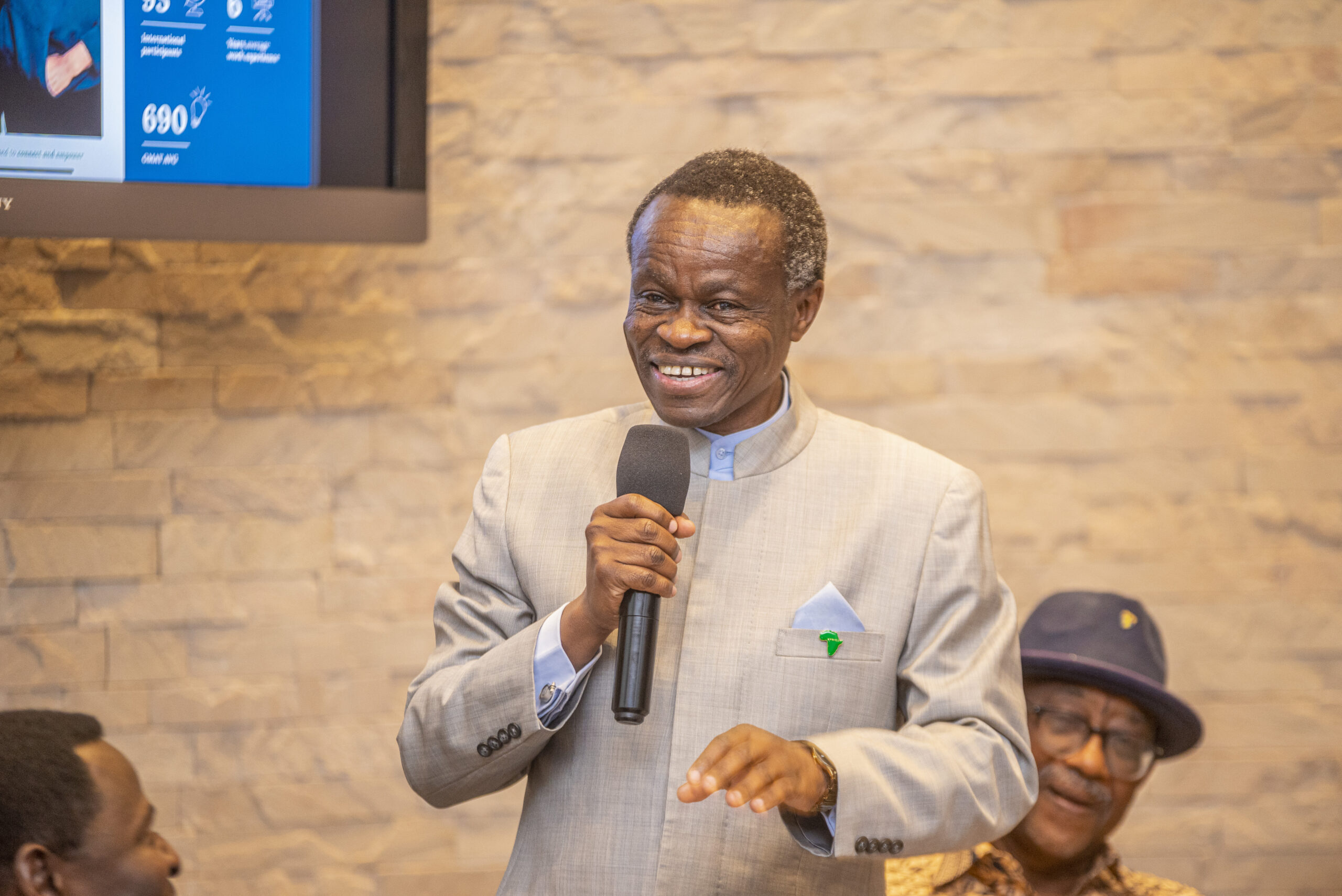
Organisational and institutional documentaries
Explore the history, people, mission or work of an organisation with more context than a conventional corporate film. The commissioning relationship remains clear, and factual claims are supported through available records, contributors and appropriate review.

Social-impact documentaries
Show the realities behind a community issue, programme or intervention through lived experience and relevant evidence. These films can support awareness, learning, advocacy and stakeholder engagement while treating contributors as people rather than promotional proof.

Historical and anniversary documentaries
Bring an organisation, community, family or public history to life through oral histories, photographs, documents, locations and archive footage. We organise the material around a coherent chronology and verify names, dates and context before publication.

Profile documentaries
Tell the story of a founder, artist, craftsperson, leader, professional or community figure. Interviews, observation and relevant archive material reveal the person's work, influences and contribution without reducing the film to a long biography.

Project and development documentaries
Follow a project through milestones, challenges and change. Repeat filming visits can show progress over time, while interviews with different stakeholders provide context. The film presents documented experience without claiming that images alone prove impact or causation.
Short documentaries
Create a focused factual film for websites, screenings, campaigns, educational use or digital platforms. A shorter duration still requires disciplined research, strong scenes and careful editing so important context is not lost.
Start with the story, audience and intended release
A successful documentary answers three questions early: What is the film really exploring? Who needs to see it? Where will they watch it?
The answer shapes the production. A community screening may allow space for local context and discussion. A festival film needs a complete viewing experience for an unfamiliar audience. An educational documentary may require chapters, captions and supporting versions. A public campaign may need a main film plus shorter extracts.
We also establish who is commissioning the documentary and who has final editorial authority. If an organisation funds a film about its own work, that relationship should not be disguised. When complete message control is the priority, a corporate video may be a better format. Documentary production is strongest when research and contributors can add complexity to the original idea.


What to include in your documentary brief
You do not need a finished script before contacting us. A clear concept, available background information and honest account of the unknowns are enough to begin a useful production discussion.
- The central subject, question or theme
- Intended audience and distribution channels
- Commissioning organisation and funding context
- What is already known and what needs research
- Key contributors and perspectives
- Locations, communities and languages involved
- Important dates, events or filming windows
- Existing photographs, footage and documents
- Sensitive topics or foreseeable participant risks
- Preferred duration and additional versions
- Caption, translation and accessibility needs
- Publication target and approval team
- Any legal, safeguarding or specialist review requirements
How your documentary moves from idea to screen
We clarify the central question, audience, scope, tone and commissioning relationship. This gives the project a purpose while leaving room for research to challenge early assumptions.
Available reports, timelines, records, locations, archive material and potential contributors are mapped. We identify important claims, missing perspectives and the people responsible for confirming factual information.
We discuss interviews, observational filming, languages, permissions, travel and sensitive situations. Contributors should understand the purpose of filming, likely topics, intended audience and where the finished film may appear.
The filming plan covers interviews, real activity, locations, supporting detail, archive needs and contingencies. Projects that follow change over time may require several visits rather than one intensive shoot.
We capture thoughtful interviews and relevant observational footage while maintaining the context needed for editing. Genuine activity is not silently staged as spontaneous fact. Where a demonstration or reconstruction is necessary, its treatment should be clear to viewers.
The film takes shape through story structure, picture editing, sound, music, graphics and approved archive material. Names, chronology, claims, translations, credits and distribution restrictions are checked before final export. Your quotation defines the review rounds and delivered versions.
Interviews that reveal more than prepared talking points
Strong documentary interviews feel natural because they are carefully prepared. We develop themes and questions that help contributors explain experience, meaning and change in their own words. The goal is not to push someone toward a quotation chosen in advance.
Location matters. A familiar workplace, home, landscape or community setting can add visual context, but privacy, comfort and clean sound must also be considered. We may film the contributor engaged in relevant activity so the documentary has scenes and evidence beyond seated interviews.
Provide accurate names, titles, relationships and subject expertise. If contributors offer different accounts, the production should not erase genuine disagreement merely to make the narrative simpler. The edit can explain uncertainty or present more than one perspective where that serves the story.
Film real activity without losing context
Observational footage lets viewers experience the people, places and processes behind the story. It may include daily work, travel, meetings, craft, landscapes, community interaction or important moments in a longer project.
Beautiful images support the narrative, but they cannot replace substance. A general shot of a location should not be used as proof of an event it did not show. Footage from one date should not silently represent another when timing is important. Production notes help connect material to the people, place and period it records.
If an activity must be repeated for camera or reconstructed because no original footage exists, we agree how it will be represented. Credibility is more valuable than a dramatic scene that gives viewers the wrong impression.
Use archive photographs and footage responsibly
Old photographs, personal recordings, maps, broadcasts, newspaper material, documents and social posts can give a documentary depth that new filming cannot recreate. They can establish time, reveal change and let viewers encounter people or events no longer available to film.
Every item needs a known source and appropriate permission. Finding an image online does not make it free to use. The project should record the owner, date, licence, credit, permitted edits, territories and any distribution limits. Music and third-party clips require the same attention.
Archive quality varies. A damaged photograph or low-resolution recording may still be historically valuable, but its limitations should be assessed before the story depends on it. We can discuss how to present available material without disguising unrelated stock footage as historical evidence.
Protect contributors and sensitive stories
Documentaries can involve health, trauma, conflict, poverty, displacement, legal allegations, family relationships or employment. Publication can have consequences for the people on screen, especially when a film will be freely available online.
Contributors should receive understandable information about the project, commissioner, topics, editing process, intended audience and distribution. A signature alone does not ensure informed participation. Language, age, disability, literacy and power relationships may affect what information and support are appropriate. Children and vulnerable adults require suitable safeguarding and authorised involvement.
Anonymity also needs careful design. Hiding a face may not be enough if a voice, location, uniform or story detail identifies the person. Tell us about privacy concerns before filming so technical and editorial options can be considered together. Qualified legal, safeguarding or subject-matter advice may be required for higher-risk projects.
Work across languages without flattening meaning
Kenyan documentary stories often cross languages and cultural contexts. Interviews may need transcription, translation, subtitles and review by someone who understands both the language and the subject. Literal translation can miss idiom, tone and culturally specific meaning.
Provide controlled spellings for people, places and specialist terms. Decide how speakers, locations and dates should be identified and whether any identity requires protection. Captions can improve accessibility, while translated versions or subtitles can extend the documentary to local and international audiences.
When explaining local context to viewers elsewhere, the film should add clarity without reducing people or communities to stereotypes. Narration, graphics and careful structure can supply context while preserving the contributor’s meaning.
Review facts without turning the film into an advert
Your review team should distinguish factual corrections, safety concerns, legal issues and personal preferences. The final approver confirms names, dates, figures, subtitles, archive rights, credits and any restrictions before release.
Changing a well-supported fact because it is uncomfortable can damage the film’s credibility. At the same time, documentary storytelling does not excuse avoidable inaccuracy or harm. Time-coded, consolidated feedback helps the editor resolve issues efficiently and maintain a clear decision record.
Short trailers and social-media extracts also need review. A statement that is fair within a longer sequence may become misleading when removed from its context. Include the intended cut-down versions in the original scope so they can be shaped responsibly.
Documentary production pricing in Kenya
The price depends on the work required to tell and verify your story. Key factors include research depth, number of contributors, locations, travel, filming days, repeat visits, crew needs, archive sourcing, transcription, translation, editing, graphics, music, captions, specialist review and the number of finished versions.
A filming-day rate does not represent the complete production. Two days of interviews may be part of a project that also requires weeks of research, archive clearance and editing. When comparing proposals, look at the full editorial and production process, not only the time spent on location.
Our current planning terms use a 14-day quotation validity period, a 50% booking deposit and one consolidated review round. Travel outside Nairobi is quoted separately, and digital working files are normally retained for 90 days. Your signed quotation takes priority wherever different terms are agreed.
FAQs
Begin with a defined subject or question, available background information, likely contributors, intended audience and distribution plan. Research, access, permissions and risks are developed further during pre-production.
Yes. The film should be transparent about the commissioning relationship, and its claims should be supported by appropriate evidence and perspectives.
Review rights depend on the agreements made before filming. Factual, privacy and safety concerns need an appropriate route, while final editorial authority should be clearly documented.
Not automatically. Ownership, permission, licence terms, credit, context and intended distribution must be confirmed before the material is used.
Yes. The scope can include transcription, translation, subtitles and review by a suitable language or subject expert.
Only when explicitly included, subject to file organisation, software, plugins, fonts and third-party licensing limitations.
The right duration depends on the story, audience, platform and available material. We agree a target length so research, filming and editing can be scoped appropriately.
Give your documentary a strong foundation
Tell us the subject, the central question, what you already know and who you hope to reach. Shammah Media will help you define the research, contributors, filming and post-production needed to turn the idea into a credible documentary.