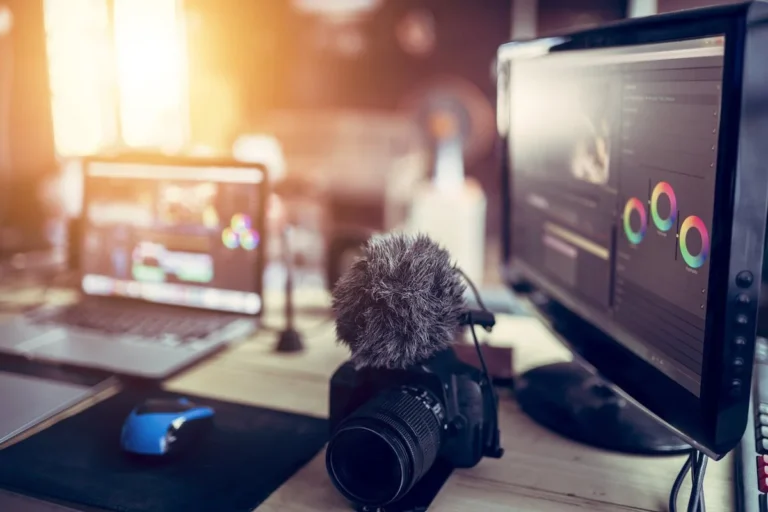
Corporate videography cost starts with the film you need to make
A useful quotation begins with the business objective
Corporate videography can produce a short company profile, customer story, executive message, recruitment film, project documentary, training resource or campaign asset. These outputs require different preparation, crews and editing. That is why a reliable corporate video production cost cannot be separated from the brief.
Begin with the audience, message and action the film should support. Then define where it will appear, how long it needs to remain useful and which people or locations must be included. Shammah Media can turn those decisions into a production scope through our corporate video service for organisations in Kenya.
If the main requirement is a family of campaign clips, compare the separate social media marketing video service before deciding the production format.
This guide does not publish a generic price because it would hide the differences that matter. A one-person interview at one office should not be compared with a multi-location company film that needs scripting, several filming days, licensed assets, animation and multiple versions.
The main corporate video cost drivers
Strategy and script development
Some organisations provide an approved script and clear shot list. Others need interviews, message development, story structure and stakeholder review before filming. The quotation should state what preparation is included.
Locations and filming days
Access, travel, permits, safety requirements, working hours and the number of settings affect the schedule. Grouping related scenes efficiently can reduce repeated setup and travel.
Crew and production equipment
The right team depends on the number of subjects, lighting, sound, camera movement and simultaneous activity. More equipment is not automatically better; it should solve a defined production need.
Presenters, interviews and participants
Executive availability, customer permissions, releases, wardrobe, coaching and repeated takes all influence the plan. Interviews may also require transcription or translation.
Editing and graphics
Editing can include story assembly, sound treatment, colour work, titles, subtitles, logo animation, charts, licensed music and feedback rounds. Ask which of these are included and how revisions are managed.
Versions and usage
A main film, social cut-downs, vertical versions and language variants are separate deliverables. State the platforms, aspect ratios, durations and publication markets before production.
Compare corporate video quotations fairly
If one quote appears much lower, check whether it excludes scripting, audio, graphics, travel, captions, revisions or short versions that another includes. The total is meaningful only when the deliverables are comparable.
| Check | What should be clear |
| Preparation | Briefing, research, concept, script and approvals |
| Production | Dates, locations, crew, filming hours, sound and lighting |
| Contributors | Presenters, interviews, releases and support required |
| Post-production | Edit scope, graphics, captions, music and feedback rounds |
| Deliverables | Number, duration, format and aspect ratio of each version |
| Logistics | Travel, permits, access, accommodation and delivery |
| Usage | Agreed channels, territories and licensed third-party material |
| Timing | Milestones for filming, first cut, feedback and final delivery |
Ways to use your budget well
Prioritise one clear film
A focused objective produces a stronger brief and reduces material that never reaches the final cut.
Prepare access and people
Confirm locations, permissions and participant availability before the filming day. Waiting for rooms, products or decision-makers uses production time without adding value.
Plan versions before filming
Vertical and short-form edits may need different framing, lines and shots. Request them early rather than trying to force every platform from one finished film.
Centralise feedback
Nominate one person to collect stakeholder comments into a single approved response. Contradictory revision rounds create delay and unnecessary work.
Build a reusable footage plan
If you need a library for future campaigns, identify the people, processes and environments that should be captured. Confirm how that footage may be used and stored.
What to include in your brief
- Organisation, product, project or campaign
- Business objective and intended audience
- Main message and desired viewer action
- Publication platforms and markets
- Preferred duration and required versions
- Locations and likely filming dates
- Speakers, interviews or customer stories
- Existing script, brand guidelines and assets
- Graphics, animation, subtitles or language needs
- Reviewers and approval process
- Launch date and delivery milestones
- Available budget range, if defined
Decide what your organisation will provide
A production quotation should distinguish between information supplied by your team and work created by the video team. Your organisation is normally the authoritative source for product details, results, legal statements, staff roles and brand approvals. Gather these facts before scripting begins.
Choose one project lead who can arrange access, participants and stakeholder decisions. If interviews involve customers, employees or communities, confirm consent and availability before scheduling the crew. Delayed approvals and unavailable locations can change the production plan even when the creative direction remains the same.
List the assets you already own: logo files, brand fonts, photographs, previous footage, charts, translations and approved music. Existing material is useful only when its quality and usage rights suit the new film.
Build a realistic approval schedule
Approve the brief
Confirm audience, objective, message, deliverables and restrictions before concept development.
Approve the script or interview direction
Correct business facts at this stage. Refilming after an approved message changes is more costly than revising the words before production.
Confirm the filming plan
Approve people, locations, timetable, access and any safety or confidentiality requirements.
Review the first edit for structure
Concentrate on whether the story, information and selected material are right. Gather all stakeholder comments into one response.
Review the finishing
Check names, titles, captions, graphics, colours, sound, calls to action and every required version before final delivery.
Allow internal reviewers enough time at each stage. A rushed approval process can create more delay when late comments reverse decisions that production has already followed.
Account for distribution, not only production
The finished film needs a destination and an owner. Confirm who will upload it, write the surrounding copy, create thumbnails, manage subtitles and respond to enquiries. A corporate film cannot deliver a business result if it remains in a shared folder after approval.
For a campaign, decide how the main film connects to shorter edits, still images, landing pages, email and sales presentations. These additional assets should be specified early because the filming plan may need alternate lines, crops and detail shots.
Frequently asked questions
How much does a corporate video cost in Kenya?
The cost depends on the preparation, filming, travel, crew, contributors, editing and versions required. Send the brief for a tailored quotation that lists the inclusions.
Can you work within a fixed budget?
Share the budget and non-negotiable outcome. We can discuss a realistic scope, but the deliverables and production standard must match the resources available.
Does the quotation include a script?
Only if script or message development is listed. Tell us whether you have approved copy, an outline or need the story developed from interviews and business information.
How many revisions are included?
The quotation should define the feedback stages and revision allowance. Major changes to an approved direction, script or selected content may change the scope.
Can one shoot produce social media clips?
Yes, when those clips are planned as deliverables. Share the platforms, formats and messages so suitable footage can be captured during production.
Do we own the raw footage?
Raw footage, project files, finished-film usage and third-party licences should be agreed in writing. Request any handover requirements before the quotation is approved.
Request a corporate video quotation
Send your objective, audience, locations, speakers, required versions and launch date through the Shammah Media contact page so we can translate the brief into a clear production scope and cost.